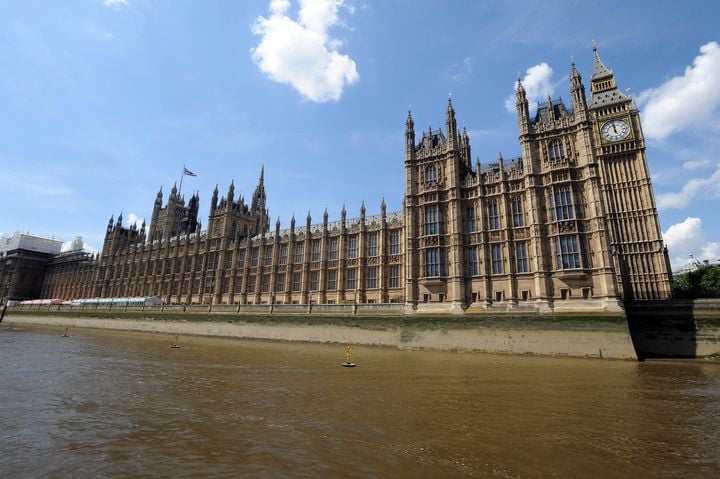
Members of Parliament (MPs) in the UK have voted to remove legal protections for British Army veterans accused of crimes during the Troubles in Northern Ireland. This decision opens the door for potential prosecutions relating to actions taken during the three decades of conflict that began in January 1969.
Key Legislative Changes Following Court Ruling
The vote, which passed with a majority of 267 votes (373 in favor, 106 against), comes after the High Court in Belfast declared parts of the 2023 Legacy Act incompatible with the European Convention on Human Rights in 2024. The Legacy Act had previously offered immunity from prosecution for individuals who provided information to a truth recovery body concerning their conduct during the Troubles.
According to Hilary Benn, the Northern Ireland Secretary, the Legacy Act “fundamentally failed” in its obligations concerning human rights. He stated that it attempted to grant immunity not only to veterans but also to terrorists involved in heinous acts against soldiers and civilians alike. This attempt at reassurance was described as a “false promise” that ultimately failed to protect anyone.
In light of these developments, the government has taken steps to amend the legislation, aiming to rebuild trust among victims, survivors, and veterans. Benn emphasized the urgent need for clarity on immunity, noting that uncertainty in the law hinders the confidence victims may have in the justice system.
Opposition and Concerns Raised
While the decision to proceed with the remedial order has been supported by some, it has also faced significant opposition. Alex Burghart, the shadow Northern Ireland secretary, described the remedial order as a “continuation of the Troubles by other means.” He criticized the government for not drawing a definitive line under the past and aligning with those who aim to relitigate historical grievances.
Gavin Robinson, the Democratic Unionist Party (DUP) leader, expressed concerns about the haste with which the government is approaching these changes. He highlighted the substantial workload the legacy commission will face as a result and questioned whether proper consideration has been given to the implications of the remedial order.
Moreover, Claire Hanna, a member of the Social Democratic and Labour Party, pointed out that the previous legislation failed to prioritize reconciliation or truth. She argued that it was more about legalizing the crimes committed by paramilitaries than about achieving justice for victims.
In response to the ongoing debate, Sir Julian Lewis, a Conservative MP, suggested that immunity should apply universally. He argued that if veterans receive immunity, it should extend to others involved, regardless of their actions during the conflict. However, Sorcha Eastwood, representing the Alliance Party, strongly disagreed, asserting that her constituents do not support such a blanket approach. She emphasized the importance of upholding the rule of law.
The remedial order must now be approved by the House of Lords before any legislative changes are enacted. As the discussion continues, the impact of these developments on victims and veterans remains a focal point for many.
As the political landscape evolves in Northern Ireland, the complexities surrounding the Troubles era and the pursuit of justice will undoubtedly continue to be a contentious issue.