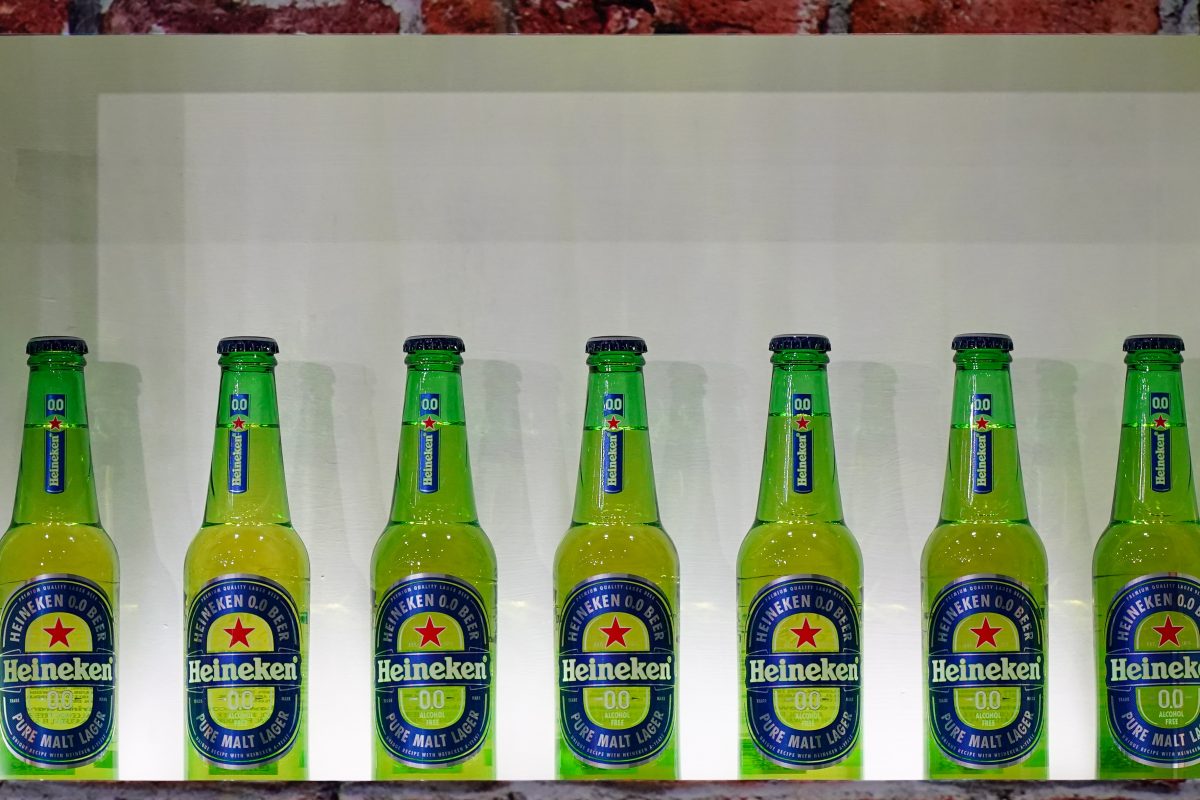
UPDATE: The UK government has just announced a proposed ban on the sale of 0% alcohol drinks to individuals under 18 years old, sparking immediate backlash from young advocates. In a statement, health minister Ashley Dalton justified the decision by claiming that even non-alcoholic beverages could lead to binge drinking among youth.
Young voices, including Samiksha Bhattacharjee, president of the University College London Libertarian Society, are calling this move “deeply patronising.” As a student who legally qualifies as an adult, Bhattacharjee argues that her generation is capable of making informed choices without government intervention. “If the drink doesn’t contain any alcohol, it won’t make you drunk,” she asserts, pointing to the absurdity of equating non-alcoholic beverages with a slippery slope to addiction.
The proposed measure is part of a broader trend in British policymaking that treats young people as incapable of managing their own choices. Bhattacharjee highlights that 200 million pints of alcohol-free beer were sold in the UK in 2025, indicating a growing market among Gen Z consumers who prefer healthier lifestyles.
The government’s justification hinges on the belief that exposure to the taste of beer—even without alcohol—could lead young people down a path of excessive drinking. However, critics argue that this approach fails to recognize the realities of modern youth culture, where many are actively choosing sobriety.
“Banning these harmless drinks will redirect young people to high-sugar alternatives like Coca-Cola, or worse, to real alcohol,” Bhattacharjee warns. The proposed ban does not just limit options for responsible young drinkers; it risks alienating them from social settings where alcohol-free options create inclusivity.
This government action stands in stark contrast to practices observed in Mediterranean countries, where early exposure to alcohol in social settings correlates with lower rates of youth binge drinking. Instead of fostering a balanced perspective on alcohol, the UK government appears to be reinforcing its allure as a “forbidden fruit.”
Critics argue that this paternalistic approach undermines young people’s agency, suggesting they require government oversight to make healthy choices. Bhattacharjee emphasizes that this mentality fosters a culture of dependency rather than empowerment.
As the debate intensifies, many are questioning what this ban says about the government’s view of youth. If officials do not trust young adults to handle non-alcoholic beverages, how can they expect them to engage thoughtfully in democratic processes?
The conversation surrounding this proposed ban is not just about drinks; it reflects broader societal attitudes toward youth autonomy. With increasing regulations enveloping young people’s choices, many are left feeling powerless.
The government must reconsider its stance and recognize the growing desire among young adults for healthier, alcohol-free options. As the discussion unfolds, advocates like Bhattacharjee call for a shift in narrative—one that views young people as responsible decision-makers rather than children in need of supervision.
Stay tuned for further developments on this urgent issue as the government prepares to finalize its proposal.