New estimates from the British Journal of Ophthalmology indicate that by 2060, at least 1.6 million people in the UK will be living with glaucoma, the leading cause of irreversible blindness worldwide. This projection reflects a significant increase from the current estimate of 1.1 million individuals affected by the condition. The rise in cases is largely attributed to an ageing population and a growing percentage of higher-risk ethnically diverse groups.
To address this impending health crisis, researchers are advocating for an expansion of eye health services and emphasizing the importance of regular eye examinations.
Raising Awareness About Eye Health
Professor Paul Foster, the study’s lead author and a researcher at the UCL Institute of Ophthalmology, as well as a consultant ophthalmic surgeon at Moorfields Eye Hospital, highlighted the critical need for early diagnosis. He stated, “Glaucoma is a common cause of blindness, but it isn’t symptomatic until its later stages, so regular tests are important for early diagnosis.”
According to Professor Foster, previous studies suggest that nearly half of glaucoma cases remain undiagnosed, with this figure being even higher among certain ethnic minority groups. Delayed diagnosis significantly increases the risk of vision loss and healthcare costs. He noted that over 40% of glaucoma patients in the UK experience vision loss that could have been prevented with earlier diagnosis and treatment options, including eye drops or surgery.
Understanding Glaucoma Symptoms
Glaucoma is often asymptomatic, making routine eye tests essential for detection. When symptoms do manifest, they can include intense eye pain, redness of the eye, tenderness around the eyes, halos around bright lights, blurred vision, nausea, and headaches.
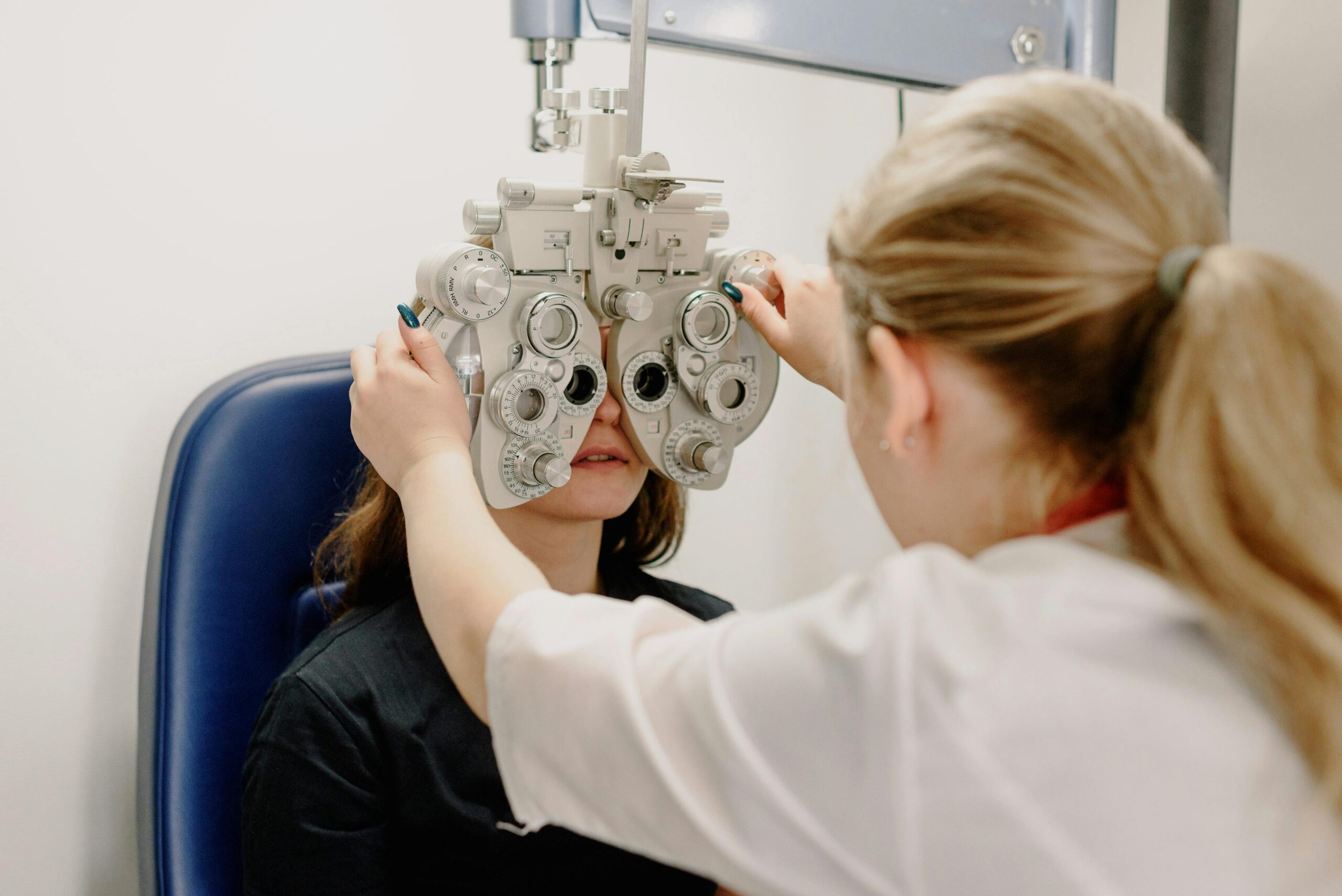
The NHS recommends that individuals undergo eye tests every two years. Those at higher risk—such as individuals with a family history of glaucoma—may need to have their eyes checked more frequently to ensure early detection and treatment.
As the prevalence of this sight-threatening condition grows, public awareness and proactive health measures will be vital in managing the impact of glaucoma in the UK.