Pharrell Williams presented a groundbreaking vision for the Louis Vuitton Fall/Winter 2026 menswear collection in Paris, merging architecture with fashion in a striking runway show. The event took place at the Fondation Louis Vuitton, featuring a glass-walled prefabricated house called DROPHAUS, designed in collaboration with the Japanese firm NOT A HOTEL. This immersive environment served as a backdrop for a collection that redefined functional luxury through a sophisticated palette of earthy tans, greens, and khakis.
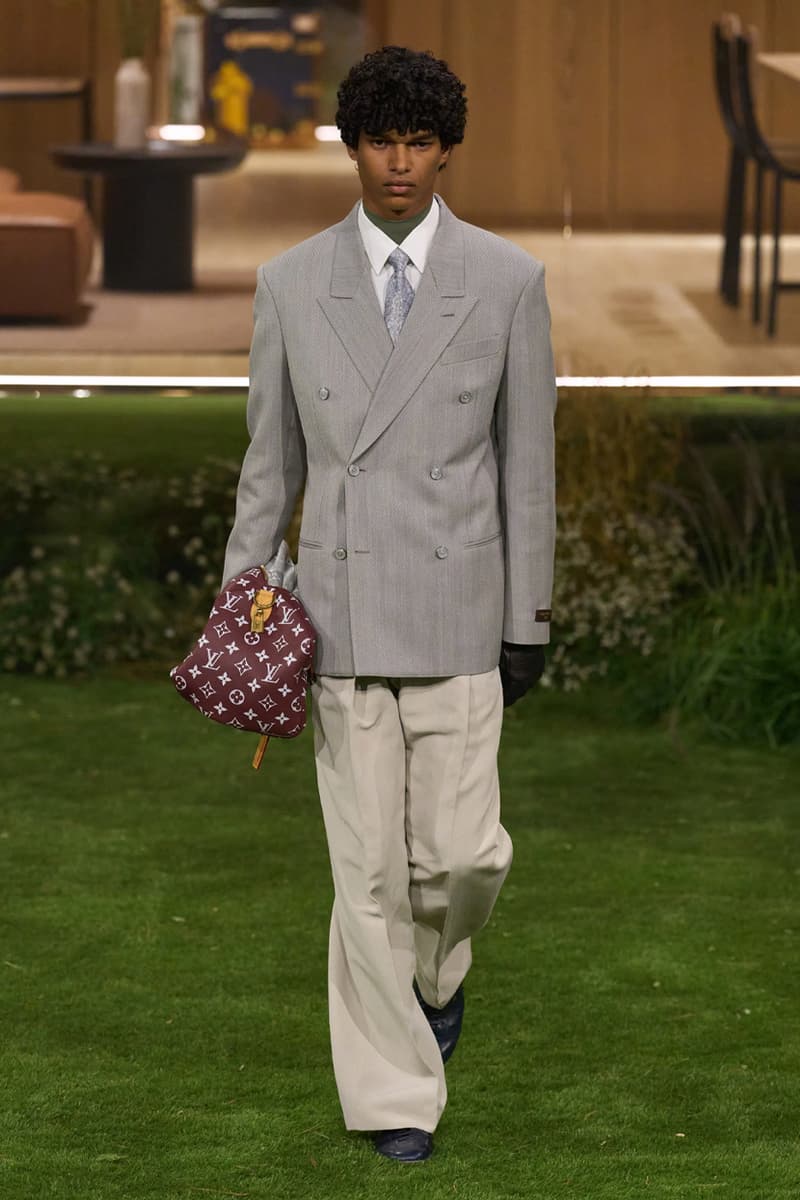
The runway featured an array of contemporary designs, emphasizing informal tailoring with items such as leather blazers and double-breasted suits. Among the standout pieces were opulent crocodile leather bomber jackets, showcasing a blend of technical precision and high-end craftsmanship. Pharrell’s approach signaled a shift away from traditional formal wear, opting instead for garments that cater to everyday luxury.
At the same time, the event served as a platform for music, showcasing unreleased tracks produced at Louis Vuitton’s headquarters. The audience experienced world premieres from notable artists such as A$AP Rocky, John Legend, and a unique collaboration between Pharrell, Jackson Wang, and Pusha T titled “Sex God.” This melding of fashion and music created a multi-sensory experience that elevated the runway show beyond mere presentation.
Architectural Inspiration Meets Fashion
Pharrell’s vision for the runway was not just about clothing; it was about creating an atmosphere of “industrial serenity.” He communicated this ethos through the invitation, which consisted of a pair of tan leather slippers, symbolizing the collection’s focus on refined comfort within domestic spaces. His social media, notably his @skateboard Instagram account, offered glimpses into the upcoming collection, highlighting intricate details and craftsmanship that prioritize utility over ostentation.
The architectural collaboration with NOT A HOTEL aimed to redefine notions of space and design. The custom furniture collection, titled HOMEWORK, emphasized “ten percent imperfection,” suggesting that true design should reflect the human experience. This concept was embodied in the irregular forms of the furniture, reinforcing the idea that a home should feel lived-in and comfortable.
Inside the DROPHAUS, Williams unveiled a collection that reimagined the modern man’s uniform. By moving away from traditional “suit and tie” aesthetics, he introduced a more relaxed interpretation, focusing on items that blend style and practicality. The collection emphasized precision-cut trousers and statement outerwear, proving that luxury can be both functional and stylish.
A New Era of Fashion and Sound
The runway show was as much about sounds as it was about sights. Pharrell’s choice to incorporate unreleased music added a layer of excitement that resonated throughout the space. The collaboration between musicians and models transformed the runway into a dynamic performance area, where artists such as Pusha T and BamBam participated in the fashion showcase.
As the fashion world converged on Paris, Pharrell Williams orchestrated a unique experience that challenges conventional boundaries. The blend of high fashion and music presented a fresh perspective on what a fashion show could be. This innovative approach not only sets a new standard for Louis Vuitton but also redefines how audiences engage with both fashion and music.
As the collection unfolds, all eyes are on Pharrell to see how his vision will influence the future of fashion, proving that the true essence of luxury lies in a harmonious blend of artistry, functionality, and the human touch.