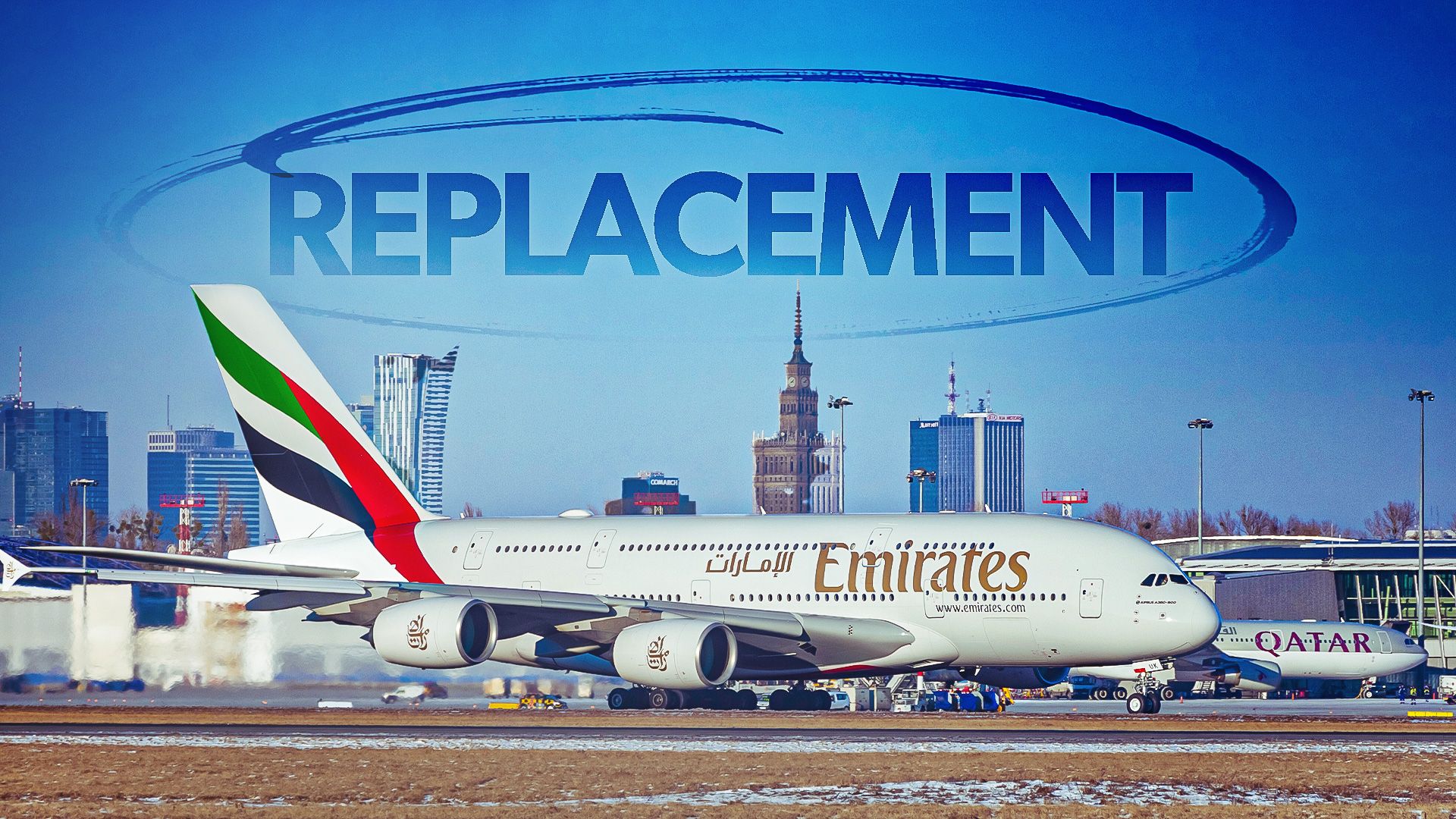
UPDATE: As the Airbus A380, the world’s largest quadjet, gradually exits passenger service, airlines are pivoting towards a new era in long-haul travel. Just announced is the shift towards a combination of more efficient aircraft, particularly the Airbus A350 and Boeing 777X, set to redefine airline networks in the coming years.
The A380, launched in 2000 and first entering commercial service in 2007 with Singapore Airlines, has delivered 251 aircraft to airlines including Emirates, which operates over half of these superjumbos. Despite its unmatched capacity of over 800 passengers in an all-economy layout, the A380’s operational limitations—requiring specialized airport infrastructure—have led to its decline in favor of more versatile options.
Why This Matters NOW: As airlines like Qantas outline plans to phase out their A380s by early 2030, the industry is witnessing a critical transition towards aircraft that balance capacity with efficiency. The A350, while smaller with a capacity of 300 to 410 passengers, allows airlines to increase flight frequencies and profit margins. Qantas is already moving towards the A350-1000, indicating a significant shift in operational strategy.
The Boeing 777X emerges as a formidable competitor, particularly the 777-9 variant, which seats between 400 and 425 passengers. This aircraft combines size with efficiency, making it an attractive option for airlines needing high-capacity solutions on long-haul routes. Emirates, the largest operator of both the A380 and 777, has over 205 777Xs on order, indicating confidence in the 777X as a key replacement.
While the Boeing 787 initially appears too small to fill the A380’s shoes, it plays a crucial role in enhancing route flexibility. The 787-9, with a capacity of around 280 passengers, enables airlines to expand into secondary markets previously inaccessible to larger aircraft. This adaptability is becoming increasingly valuable as travel demand evolves.
What’s Next: As the aviation industry adjusts, the A380 is not disappearing just yet. Emirates has committed to operating its A380 fleet into the 2040s, showcasing the aircraft’s continued relevance in high-demand routes. Airlines like Qatar Airways have also returned their A380s to service to meet the surge in post-pandemic travel.
The ongoing discussions around a possible A380neo have not materialized into action, with Airbus focusing on its existing models rather than a direct replacement. The reality is that no current aircraft can match the sheer size and capacity of the A380, making its eventual retirement a significant moment in aviation history.
In conclusion, while the A380 holds a unique place in aviation, the future is clearly leaning towards a fleet of more efficient, adaptable aircraft. Airlines are preparing for a new chapter, emphasizing sustainability and operational flexibility in long-haul travel. As these developments unfold, the impact on global travel dynamics will be profound, reshaping how passengers connect across the world.
Stay tuned for more updates on this evolving story as the aviation landscape continues to transform.