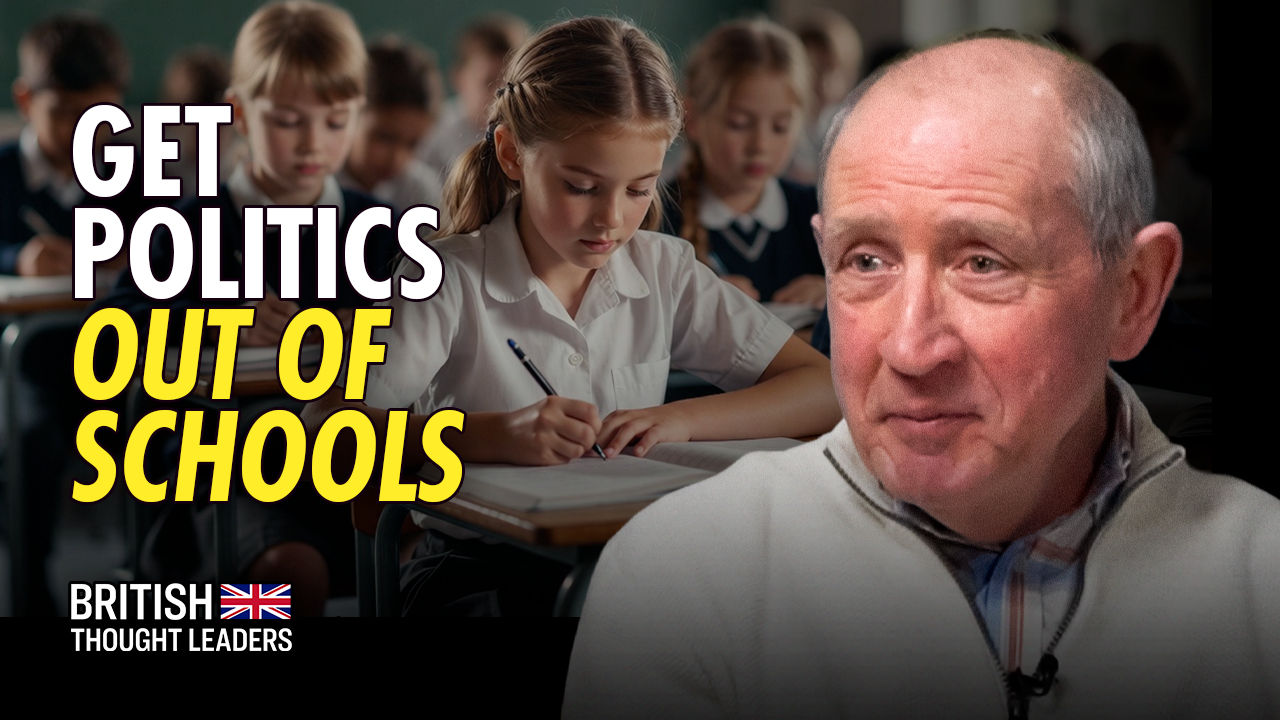
Education expert Joe Nutt has raised concerns about the impact of the British government’s value-added tax (VAT) on private school fees. He argues that the tax is not achieving its intended goal of targeting the wealthy; instead, it is adversely affecting children and hardworking parents who seek quality education for their families.
Nutt emphasizes that the current approach to taxing private education is counterproductive. He highlights a growing trend where policies intended to address financial inequality end up punishing those striving for better educational opportunities. This situation particularly impacts families who invest in private schooling, often to ensure a high standard of education for their children.
Political Interference and Big Tech’s Influence
The education expert calls for a separation between schools and political interference, which he believes can lead to detrimental decision-making. Nutt warns that schools should remain focused on educational outcomes rather than being swayed by political agendas. He advocates for the creation of an environment where teachers and administrators can prioritize the needs of students without external pressures.
Nutt also points to the increasing influence of big tech companies in British classrooms. He argues that their presence can shape educational content and methodologies in ways that may not align with the best interests of students. The reliance on technology in education, while beneficial in many respects, raises questions about who truly controls the learning environment.
Above all, Nutt stresses the importance of fostering a strong and positive school culture. He believes that this foundation is essential for successful education and should be prioritized in discussions about educational policy. He suggests that a supportive school environment not only enhances learning outcomes but also nurtures students’ personal growth and development.
While the views expressed by Nutt are his own, they reflect a growing concern within the education sector about the implications of government policies and the role of technology. As discussions continue regarding the future of education in the UK, attention to these issues will be crucial for ensuring that all children have access to the quality education they deserve.
In conclusion, Nutt’s insights highlight the complexities of the current educational landscape in Britain. The challenge lies in balancing the need for equitable access to education with the realities of financial and political influences. As the conversation evolves, the impact on future generations of students remains to be seen, but the call for a return to a focus on school culture and student well-being will likely resonate with many educators and parents alike.