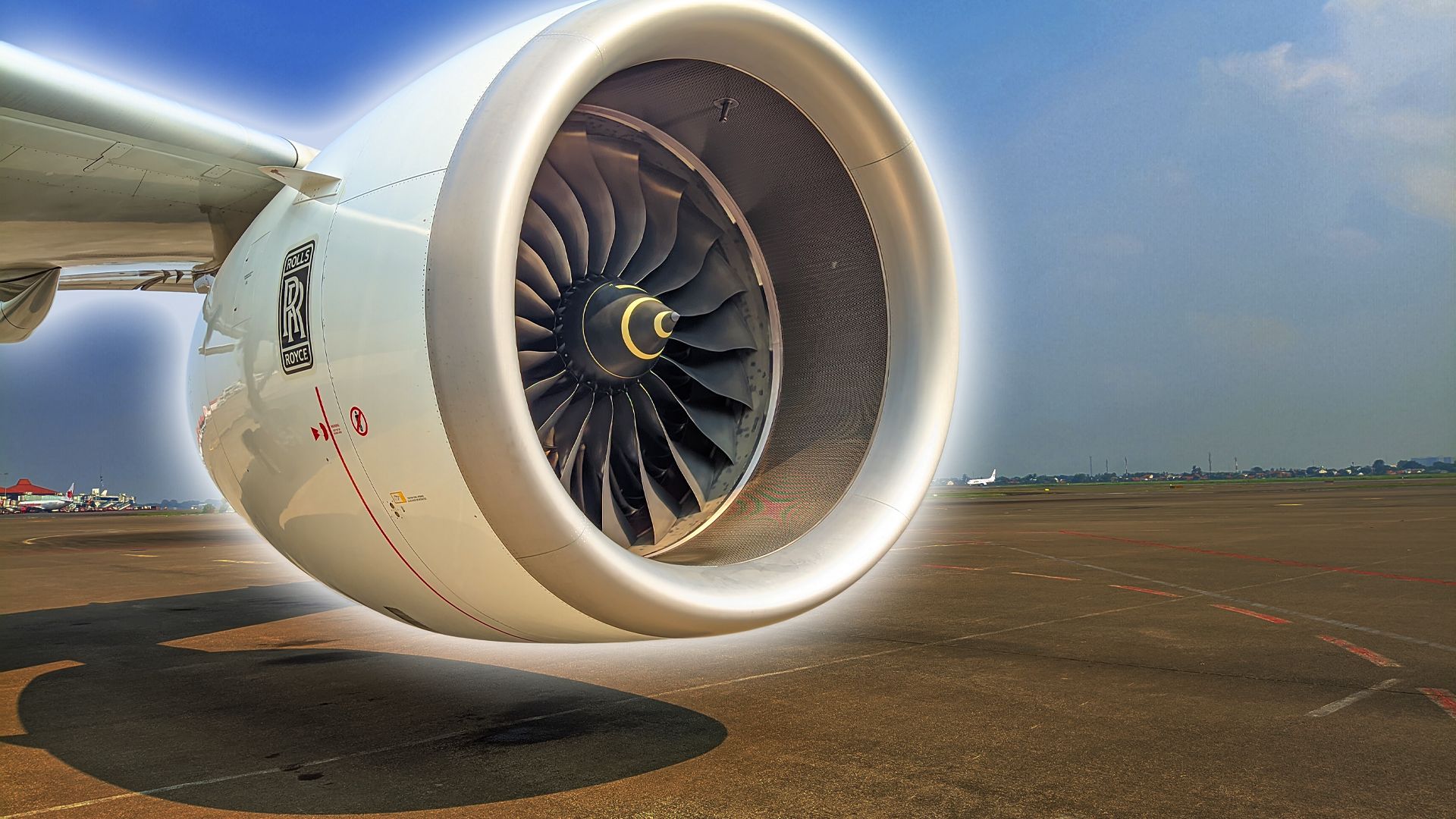
The **Rolls-Royce Trent 7000** engine has emerged as a leading choice for the **Airbus A330neo**, recognized as one of the most reliable widebody engines in the aviation industry. With its introduction, Rolls-Royce has combined advanced engineering with robust service support, ensuring an engine that excels in performance, cost efficiency, and environmental sustainability. This article delves into the engine’s design evolution, technological advancements, operational reliability, and sustainability features, offering insights for aviation professionals and enthusiasts alike.
Design and Technological Advancements
The Trent 7000 builds on the **Trent XWB** core and the **Trent 1000** ten-stage intermediate compressor, adhering to Rolls-Royce’s signature three-shaft architecture. This design optimizes the performance of each compressor stage independently, enhancing efficiency while reducing mechanical stress. Launched in **July 2014**, the engine saw its first run in **November 2015** and received **EASA certification** in **July 2018**.
One of its standout features is a **112-inch (2.85 meters)** titanium fan, which, combined with a **10:1 bypass ratio**, provides a **14% improvement in fuel burn per seat** compared to the previous Airbus A330 engine. The Trent 7000 has also achieved a dramatic reduction in noise emissions, halving the noise output of its predecessor. Since its first flight in **October 2017**, the engine has accumulated millions of flying hours, contributing significantly to the A330neo’s success.
Competitive Landscape and Performance Metrics
The market share for widebody engines reveals a competitive environment, with **55%** held by **General Electric** (including CFM), **26%** by **Pratt & Whitney**, and **18%** by Rolls-Royce. The Trent 7000’s three-shaft architecture allows for greater operational flexibility compared to the two-shaft designs of its competitors, such as the **GE GEnx** and the forthcoming **GE9X**.
Fuel consumption figures illustrate the Trent 7000’s efficiency: it achieves an approximate **11% reduction** in specific fuel consumption compared to the older Trent 700 engine, alongside a **6 dB reduction** in noise levels during takeoff and approach. In terms of reliability, Rolls-Royce reports a dispatch reliability rate of around **99.9%**, significantly better than the legacy Trent 700 models.
The **TotalCare** service program offered by Rolls-Royce further enhances the operational value of the Trent 7000. This program bundles maintenance, spare parts, and engine health monitoring under a fixed-cost contract, allowing airlines to manage their operational costs more effectively and focus on core activities rather than unexpected maintenance events.
Sustainability and Future Outlook
Sustainability is a primary concern in modern engine design. The Trent 7000 not only meets but exceeds current CO2 and noise regulations. It is designed to support **50% sustainable aviation fuel (SAF)** blends, with plans for full certification of **100% SAF** in the future. The engine’s high bypass ratio and advanced combustor technology contribute to a reduced carbon footprint, while the **Revert recycling program** ensures that **98% of materials** are recovered at the end of the engine’s life cycle.
Looking ahead, Rolls-Royce plans to invest over **£1 billion** in enhancements across its Trent family, including innovations derived from the **UltraFan** research initiative. With the gradual retirement of the A330ceo fleet, the Trent 7000 is positioned as a crucial asset for airlines focused on efficiency and operational reliability.
The Trent 7000 remains a compelling choice for airline operators, delivering a blend of proven performance and ongoing innovation. Its combination of operational reliability, digital support, and commitment to sustainability ensures that it will continue to serve as a benchmark in the widebody engine market for years to come.