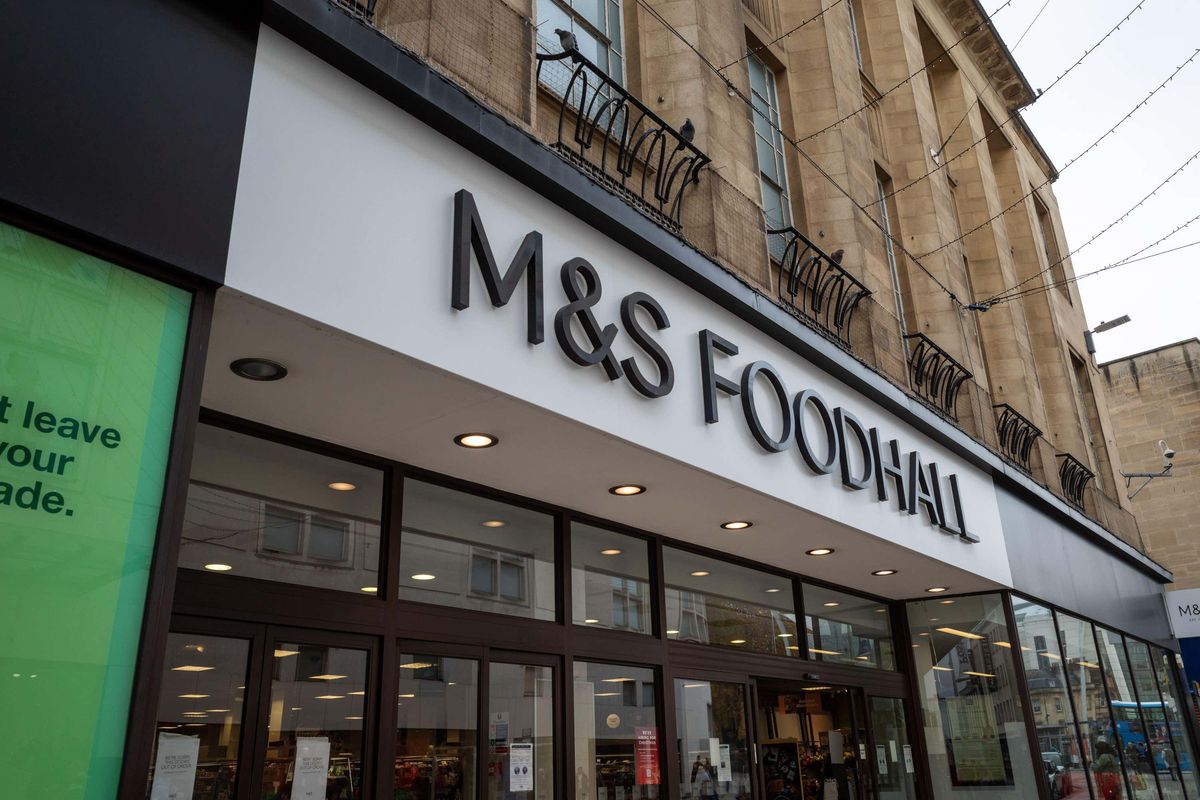
Marks and Spencer (M&S) has launched over 30 new value products this month, aiming to strengthen its position against major competitors such as Tesco, Aldi, Lidl, Asda, Sainsbury’s, and Morrisons. This initiative reflects M&S’s strategy to appeal to families seeking affordable options without sacrificing quality.
The retailer, renowned for its premium food offerings, is now positioning itself as the fastest-growing grocer among families, according to data from analysts at Worldpanel. Recent figures from YouGov indicate a notable increase in families considering M&S Food, rising by three percentage points in the last two years. Furthermore, perceptions of value at M&S have improved by 10 percentage points during the same timeframe.
New Product Launches and Sales Growth
The new range includes essential family items such as 500g and 750g packs of 5% fat beef mince and 1kg bags of frozen sweetcorn. M&S has reported a 20% increase in sales of its value lines, which encompass categories like “remarksable value,” “dropped & locked,” and “bigger pack, better value.” The “remarksable value” range alone has doubled in size since 2023.
Notable bestsellers include loose bananas priced at £0.90 per kilogram, a 1.5kg lasagne retailing for £9, and a dozen free-range eggs available for £3.30. Sales of the beef mince have surged by 80% since its inclusion in the “remarksable value” line. Since 2023, M&S has added over 40 products to this range, featuring select farms red cooking onions at £1.10, 500g of 0% fat Greek-style yoghurt for £1.15, and traditional Scottish oats at £1.25.
M&S emphasizes that these new offerings do not compromise on quality or portion sizes. The retailer assures customers that they will receive the same high-quality products for which M&S is known, now available at more competitive price points due to increased investment in value.
Strategic Goals and Market Positioning
Kara Greatorex, Chief Commercial Officer at M&S Food, stated, “For M&S, becoming a shopping list retailer is about offering core ingredients and products at the right price without compromising on quality.” She highlighted that the retailer has enhanced the “remarksable value” range by reducing prices on essential shopping items while maintaining the quality standards expected from M&S.
M&S’s efforts to engage families come in response to a surge of price promises from major supermarkets, all competing for customers facing rising food inflation amid a cost-of-living crisis. According to the latest data from the British Retail Consortium and NIQ, food inflation has climbed to 3.3%, up from 3% in November, while overall shop price inflation remains at 0.7%.
Market share data from Worldpanel shows that Lidl has made significant gains among supermarkets, increasing its market share by 0.5 percentage points to 7.8% with a 10% rise in sales. In contrast, M&S’s grocery sales have grown by 7.2% over the same 12-week period compared to the previous year.
With these developments, M&S appears determined to carve out a substantial market share in the competitive grocery landscape. The retailer’s commitment to expanding its value offerings aims to make it a go-to destination for families looking for quality food at accessible prices.