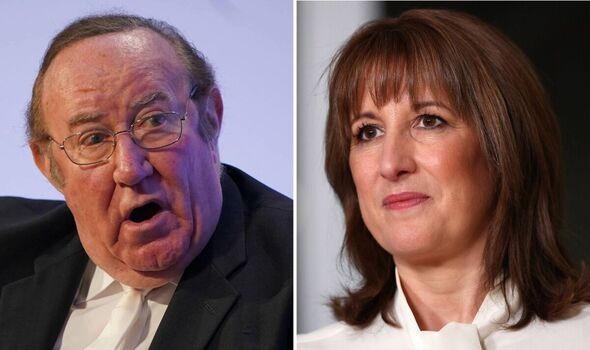
Public discourse in Westminster is heating up as key political figures converge on the matter of social media regulation, particularly regarding the platform X, formerly known as Twitter. Today, Liz Kendall, the UK’s Tech Secretary, is set to address the House of Commons following growing concerns about inappropriate content generated by X’s AI bot, Grok. This comes after a wave of criticism from ministers who expressed their disgust over recent instances of sexualized deepfakes produced by the platform.
Kendall’s statement is expected to clarify the government’s stance on X, especially after ministers were left unimpressed by the platform’s response to these serious allegations. The government continues to maintain a presence on X, a fact that complicates the ongoing discourse surrounding its content management practices.
While the Commons anticipates Kendall’s remarks, the international scene also looms large, particularly with escalating tensions in Iran. Reports from the BBC indicate a shocking death toll of 180 individuals in the latest protests against the Iranian regime, with British officials closely monitoring the situation. These developments may overshadow domestic news as the UK government faces scrutiny over its actions regarding both social media regulation and international affairs.
Kendall’s Op-Ed in the Sunday Telegraph emphasized the power embedded within the Online Safety Act, which allows the government to pursue court orders against non-compliant services. Ofcom, the UK’s communications regulator, has been tasked with ensuring compliance and is expected to provide an urgent update on its assessment of X’s content policies shortly. The government has affirmed its support for Ofcom should it decide to take legal action.
While blocking X is acknowledged as a “nuclear option,” Ofcom has indicated it may explore other avenues, such as imposing financial penalties or enforcing compliance measures. The potential for significant repercussions looms, especially given the high-profile nature of X and its owner, Elon Musk. If Ofcom’s investigation does not lead to decisive action, it may provoke backlash from Labour MPs, many of whom have migrated to alternative social media platforms in response to their dissatisfaction with X.
Calls for stricter regulations are growing louder, particularly from the Liberal Democrats, who are advocating for Ofcom to ban X in the UK altogether. Meanwhile, the government has resisted pressure to cease its communications through the platform, indicating a complex balance of engagement and regulation amid rising public concern.
In parallel, Kemi Badenoch, another prominent figure in the government, is advocating for a ban on social media for users under the age of 16. This push has gained traction, fueled by alarming reports on the impact of Grok’s content on younger audiences. Badenoch will be engaging with parents today in London as part of her campaign, which has garnered support from figures like Andy Burnham, the Mayor of Greater Manchester, and various educators.
The government is simultaneously preparing to publish screen-time guidelines for children under five, which is expected to debut in April. This initiative aligns with broader concerns about children’s online safety but has not yet led to a comprehensive strategy regarding under-16s. The upcoming Children’s Wellbeing Bill could serve as a pivotal moment in addressing these issues, with a proposal for a social media ban gaining cross-party support.
As the political landscape shifts, Keir Starmer, Leader of the Opposition, is also navigating the complexities of public sentiment. His planned visit today will focus on parental leave, aiming to underline the government’s responsive measures while engaging with regional media. This week’s developments are indicative of a larger conversation about the intersection of technology, regulation, and public safety.
Internationally, the political climate remains precarious. The situation in Iran continues to escalate, with reports indicating a potential U.S. military response to the Iranian government’s crackdown on protests. Donald Trump has hinted at military action, stating that the situation appears to have crossed a critical threshold. The UK government is closely observing these developments, which may influence its own diplomatic and defense strategies.
Overall, Westminster is poised for a week of significant discussions spanning social media regulation, international affairs, and the protection of young individuals in the digital landscape. As the government navigates these pressing issues, the responses from key political figures will shape the future of both domestic policy and international relations.