The European Union has proposed that the United Kingdom pay a compensation fee, informally referred to as the “Farage clause,” should it decide to withdraw from a post-Brexit agreement. This potential exit fee is intended to cover costs associated with establishing border controls for British food and drink exporters, which would be affected by such a withdrawal.
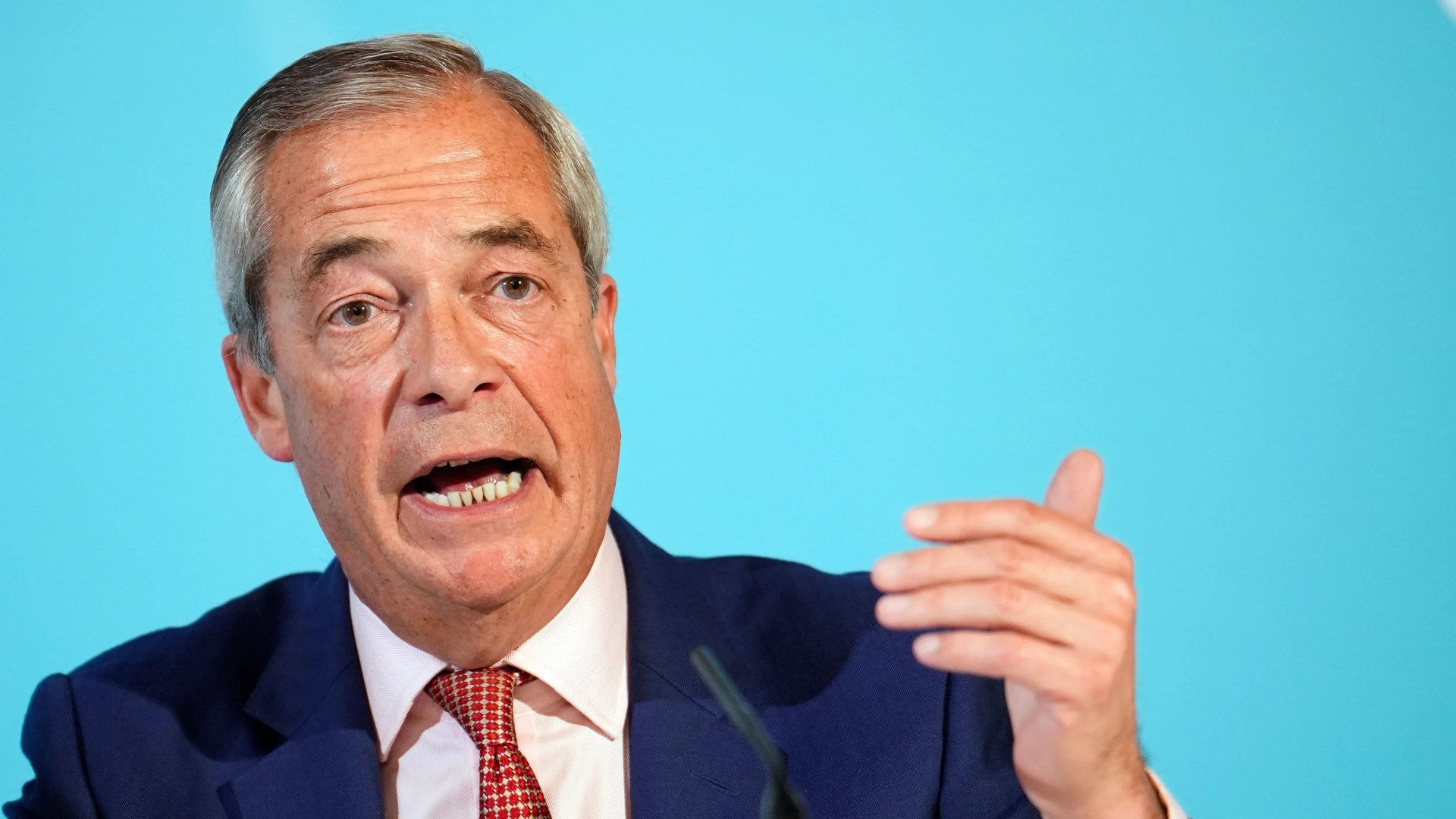
Diplomats in Brussels have labeled this provision the “Farage clause” to mitigate the risk of Nigel Farage, the former leader of the UK Independence Party, returning to a position of influence and potentially undoing any reset of the agreement. Farage reacted strongly, asserting that it would be a “democratic outrage” to pay compensation for leaving the deal, emphasizing that “no Parliament may bind its successor.”
The proposed compensation aims to address the financial implications of dismantling the agreement, which seeks to reduce red tape for British exporters. According to the Financial Times, if either party withdraws from the pact, the compensation would help offset the costs incurred in creating new border infrastructure and equipment.
A Labour Party official defended the inclusion of such a clause, describing it as standard practice for international agreements to have termination contingencies. While discussions on the specific terms of the agreement have yet to begin, the official noted that ensuring stability in future negotiations is crucial.
One EU diplomat explained that the clause serves as a “safety provision” to deter any attempts by Farage or his supporters to disrupt the process. As it stands, the proposals are still in draft form, with trade bodies advocating for a “veterinary” deal that could potentially increase food and drink exports by over 20 percent.
Legislation aimed at aligning regulatory frameworks between the UK and EU is expected to be operational by mid-2024. Sir Keir Starmer, the leader of the Labour Party, stated last week that fostering a closer relationship with the EU is in the UK’s “national interest.”
As the political landscape evolves, the implications of this proposed compensation clause highlight the ongoing complexities of post-Brexit negotiations and the future of UK-EU relations.