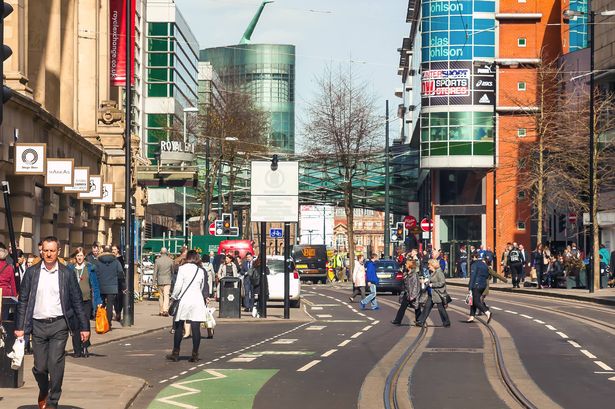
High street retailers in the UK are facing significant challenges, leading to a wave of store closures. British fashion retailer River Island announced it will close 32 locations across the UK in January 2024, following a pre-tax loss of £32.3 million and a 19% drop in turnover. Additionally, supermarket chain Morrisons plans to shut its Rathbones Bakery site in Wakefield, affecting 115 jobs.
The announcements come in the wake of other significant closures, including Claire’s and The Original Factory Shop, both of which entered administration this month, putting approximately 2,500 jobs at risk. Last year, major retailers such as Marks & Spencer, Morrisons, and Poundland closed stores, with more closures anticipated through 2026.
As these closures leave many customers disappointed and workers facing job losses, shoppers have shared their thoughts on why high street stores are struggling. A discussion on Reddit revealed three key reasons contributing to the decline of traditional retail.
Inconvenient Opening Hours
Many shoppers point to the limited opening hours of high street stores as a significant barrier. One user highlighted the conflict between typical working hours and store operating times, stating, “A 90% weekday overlap between my working hours and their working hours doesn’t help to shop there.”
Another echoed this sentiment, saying, “The High Street shops continue to believe they can survive with a model designed when everyone had a wife at home all day who could ‘pop ’round the shop’ at 3 pm.” The frustration is palpable, with customers expressing that closing times, often at 5:30 PM, do not accommodate their schedules.
Stock Availability Issues
In addition to inconvenient hours, shoppers frequently encounter stock shortages. Many report that when they visit stores, the items they seek are often unavailable. One dissatisfied customer remarked, “When I do go to the shop, I get told the items I am looking for are all online.”
This sentiment was echoed by others who noted that even large retailers like John Lewis often lack the products they are searching for. A shopper shared a frustrating experience: “You go look at a side table, a rug, or a TV, and the staff cheerfully tell you it can be delivered from darkest Peru in 10-14 weeks. Then why am I here?”
Price Discrepancies Favoring Online Shopping
Price differences between in-store and online shopping are also driving customers away from physical stores. One individual recounted a recent experience: “I needed a washing machine quickly. I saw a suitable one on Curry’s website, and when I went to buy it in-store, it was about £40 more expensive.”
Frustrated by this discrepancy, the shopper opted to purchase online instead, stating, “I bought it online, sat in Costa over the road for twenty minutes, then walked back into the store, and they put it in the car for me. Bizarre.”
The combination of inconvenient hours, stock availability issues, and price discrepancies is contributing to the decline of high street retail. As these closures continue to reshape the landscape of shopping, both consumers and employees will feel the effects of this ongoing trend. The future of high street shopping hangs in the balance as retailers reassess their strategies to adapt to changing consumer behaviors.