The Conservative Party is at a pivotal moment as it prepares for significant challenges in 2026. With local elections scheduled for May, party members are increasingly concerned about their leadership’s future and the party’s survival. Three critical tests lie ahead that could determine whether the Tories emerge intact or face significant setbacks.
May Local Elections: A Test of Strength
The upcoming local elections are expected to be particularly challenging for the Conservative Party. Many analysts predict a substantial defeat, with the Liberal Democrats, led by Ed Davey, poised to make significant inroads into traditionally Conservative areas. Additionally, the Reform Party is likely to split the Tory vote, creating further difficulties for Conservative candidates in their strongholds.
One Conservative MP expressed a bleak outlook, anticipating a “wipeout” in their constituency, once a bastion of Tory support. Even the Conservative Campaign Headquarters (CCHQ) acknowledges that several seats are likely to shift to the Labour Party, which is expected to capitalize on the fragmented vote. Losing a significant number of councillors could weaken the party’s grassroots support, as local councillors play a crucial role in mobilizing voters during general elections. A decline in these local representatives may lead to panic within the party ranks, amplifying the urgency for a strategic response.
Leadership Under Scrutiny
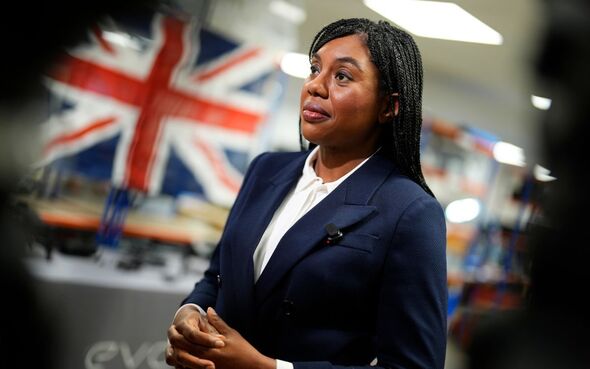
The outcome of the local elections will undoubtedly reignite discussions about the leadership of Kemi Badenoch. With increasing discontent among MPs, the prospect of leadership changes looms large. Observers recall the tumultuous recent history of Conservative leadership transitions, which included the tumultuous tenures of Boris Johnson, Liz Truss, and Rishi Sunak. Voter sentiment is firmly against repeated leadership upheavals, and any move to replace Badenoch might be viewed as yet another act of political cannibalism.
Badenoch has been articulating a clear vision for the party, emphasizing principles such as a small state and free markets. Her leadership represents a return to core Conservative values at a time when the Labour Party has shifted towards higher taxes and increased spending. While Badenoch may not be universally popular, her emphasis on authenticity and a distinctive Conservative message could be crucial for the party’s identity.
A Divisive Pact with Reform?
The third and perhaps most contentious challenge facing the Conservatives is the potential for a pact with the Reform Party. Such a deal has generated significant debate among Conservative MPs, with opinions sharply divided. Some believe that forming an alliance could be essential if the local elections do not go well, while others warn that it would be a “suicidal” move for the party.
Reform’s intentions are clear: they seek to position themselves as the primary representative of right-wing voters. Entering into a coalition with Reform could compromise the Conservatives’ identity, leaving them as a subordinate partner in a deal shaped by Reform’s demands. One MP aptly noted that this would effectively spell the end for the Conservative Party, as it would relinquish the party’s autonomy and relevance.
The path forward for the Conservative Party is fraught with challenges. To navigate the upcoming local elections, party members must remain steadfast in their support for Badenoch and articulate a coherent Conservative vision that resonates with voters. Rather than diluting their message in pursuit of broader appeal, the Tories should focus on reinforcing their distinct identity.
With the next general election still years away, there is time for the Conservatives to rebuild and recover from potential setbacks. The real challenge lies in resisting the temptation to undermine their own efforts. The party’s future hinges on its ability to endure the tests ahead while maintaining a clear and unwavering commitment to its principles.