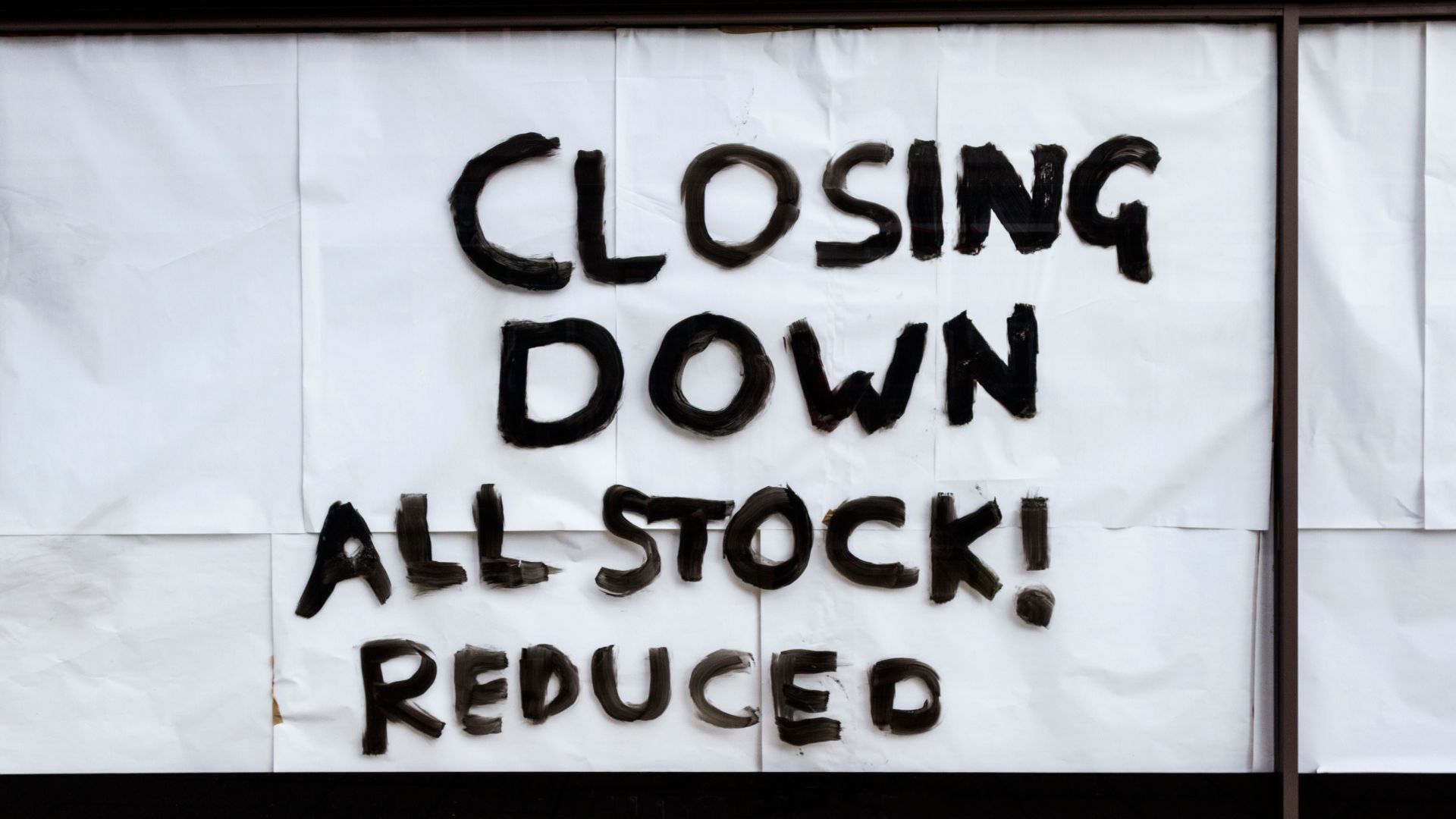
The retail landscape in the UK is bracing for a tumultuous start to 2026, with several well-known brands facing the threat of closure and thousands of jobs at risk. Major retailers, including Claire’s Accessories and The Original Factory Shop, have initiated insolvency proceedings, signaling a challenging year ahead for the sector. The combination of soaring business taxes, declining consumer confidence, and rampant inflation is forcing retailers to make tough decisions.
Insolvency experts have highlighted a significant drop in foot traffic, which is exacerbating the financial challenges faced by these retailers. As the National Living Wage rises, businesses are grappling with already thin profit margins, pushing them closer to the brink of collapse.
Retailers Struggling for Survival
Claire’s Accessories, the popular accessories chain, has filed a notice to appoint administrators just months after a rescue deal aimed at saving it. The company, owned by Modella Capital, confirmed that it had initiated insolvency proceedings after efforts to turn around the business faltered. This legal process grants the company an additional ten days to find a potential buyer or secure investment. Claire’s had previously faced bankruptcy in August 2025 when its US parent company collapsed, which prompted Modella to step in and save 156 stores. Unfortunately, the brand has struggled with shifting consumer habits and the loss of a crucial concession partner.
Similarly, The Original Factory Shop is in dire straits, having filed a notice to appoint an administrator under the same ownership as Claire’s. The retailer has struggled to capitalize on the discount boom that has aided competitors like B&M and Home Bargains. A controversial switch to a new logistics provider resulted in supply chain issues, leading to empty shelves and diminished sales. Management attempted to initiate a Company Voluntary Arrangement to close underperforming locations and reduce rents, but time has run out, putting numerous jobs at risk.
Widespread Impact Across the Sector
Even discount giants like Poundland are not immune to the retail crisis. The chain is on track to close around 130 stores by February 2026 as part of a significant restructuring effort. Following disappointing festive sales, Poundland is utilizing a £30 million emergency overdraft from previous owners Pepco. Last summer, the chain was salvaged by distressed investment specialists Gordon Brothers for just £1. While this deal preserved most jobs, it also led to substantial cuts, including the closure of warehouses and underperforming locations.
High street fashion retailer River Island is also significantly reducing its presence, planning to shut 33 stores across the UK by the end of January 2026. This move is part of a restructuring plan approved by the High Court, aimed at preventing the company from entering administration. In addition to the store closures, River Island is negotiating rent reductions at another 71 locations to combat rising operational costs.
The situation extends beyond retail stores to dining establishments as well. TGI Fridays has filed its third notice of intention to appoint administrators, which allows the company ten additional days to find a buyer. One potential solution being considered is a pre-pack administration deal, which may involve closing between 15 and 20 restaurants. Currently, TGI Fridays operates 49 restaurants and employs around 2,000 staff, all of whom are anxiously waiting for news regarding their job security.
As 2026 unfolds, the future of many iconic UK retailers hangs in the balance. The combination of economic pressures and shifting consumer behaviors has created a challenging environment that could reshape the high street as we know it.