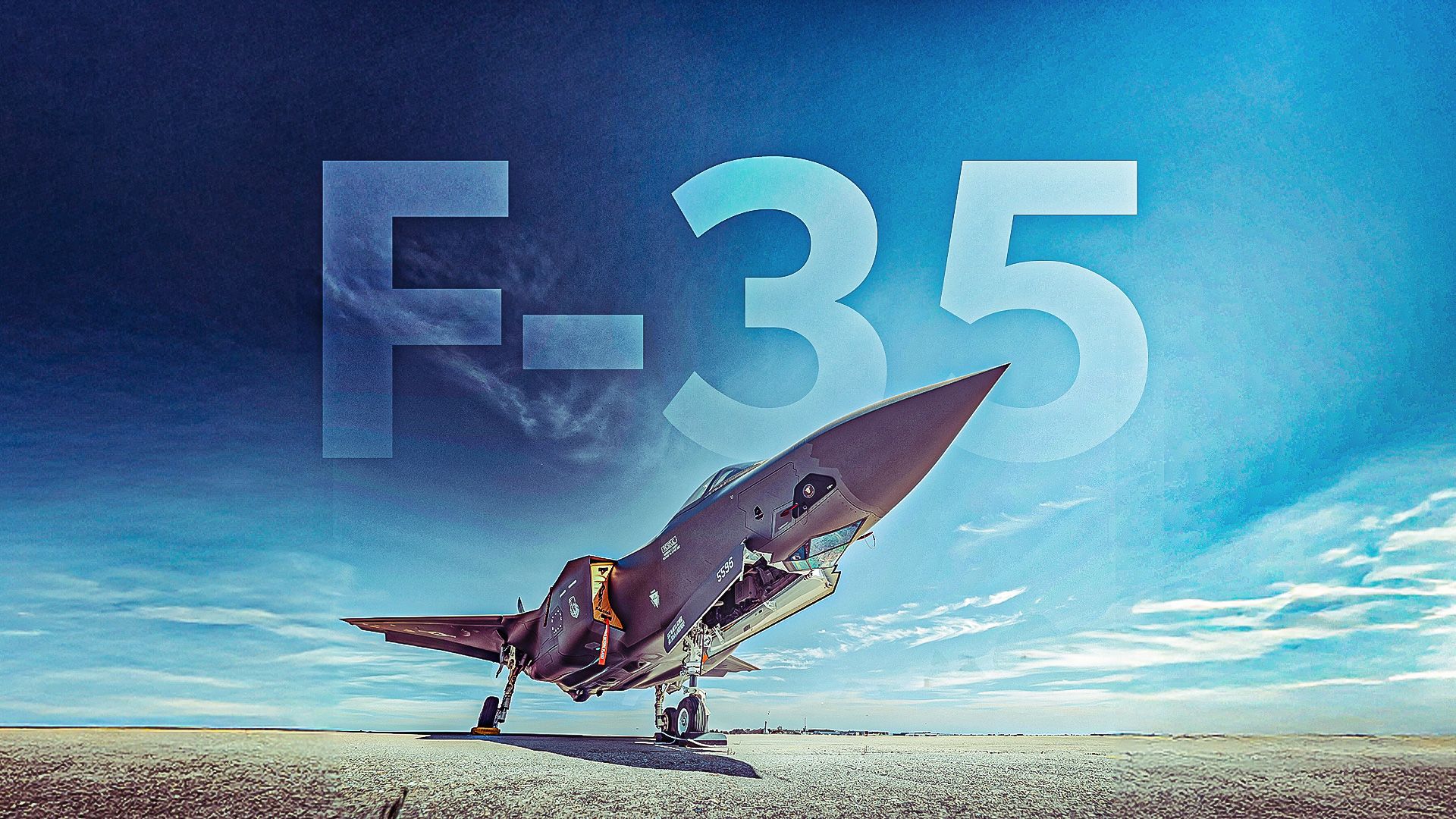
UPDATE: The United States has just announced new restrictions on the sale of its cutting-edge F-35 fighter jets, impacting several key allies. This urgent move is rooted in complex geopolitical concerns, particularly regarding the safeguarding of sensitive technology and maintaining military balances in volatile regions.
In a surprising turn of events, countries such as Turkey, the United Arab Emirates (UAE), Qatar, Egypt, and Thailand have been barred from purchasing the F-35. These decisions stem from fears that the jets could fall into the hands of adversaries or be compromised by foreign technologies, particularly those linked to China and Russia.
The US has historically positioned the F-35 as a pivotal asset in its defense strategy, with over 1,200 units delivered globally. However, recent tensions surrounding Turkey’s acquisition of the Russian S-400 missile system, which the US claims could gather intelligence on the stealth fighter, led to Turkey being expelled from the F-35 program in 2019. Turkey’s initial order for 100 F-35As and a financial contribution of $1.4 billion to the program have gone unfulfilled since the fallout.
Middle Eastern nations, including the UAE and Egypt, have also expressed a desire to acquire the F-35, with provisional agreements in place during the Trump Administration. However, these deals fell through due to concerns over China’s Huawei 5G networks and the potential dilution of Israel’s qualitative military edge, as mandated by the US-Israel Strategic Partnership Act of 2014.
The implications of these bans are significant. Not only do they limit the military capabilities of these nations, but they also send a strong message regarding US foreign policy and defense strategies. Nations like Saudi Arabia and Qatar have had their requests for the F-35 rejected, reinforcing the US’s position on maintaining a strategic edge in the region.
The fallout from these decisions extends beyond the Middle East. In Asia, the US has denied requests from Thailand and Taiwan for the F-35. Thailand, a major non-NATO ally, has been rebuffed due to concerns over its increasing ties with China. Meanwhile, Taiwan has long sought to bolster its defenses against potential aggression from China, yet its attempts to acquire the F-35 have been stymied by fears of provoking Beijing.
As the geopolitical landscape continues to evolve, countries like Indonesia and Morocco are weighing their options in light of these restrictions. Indonesia has canceled plans to acquire Russian fighter jets in favor of the F-35, but the US has cited long waiting lists and costs as barriers to fulfilling this request.
The US remains committed to ensuring that its allies can access advanced military technology, but it does so with stringent conditions. Export partners are prohibited from modifying the F-35’s software, with exceptions made only for Israel. This level of control underscores the importance of the F-35 in the US military strategy, particularly as tensions with China and Russia escalate.
Moving forward, the situation remains fluid. As the US navigates its relationships with these nations, potential shifts in policy could open the door for future sales, particularly under changing administrations. For now, the bans reflect a cautious approach to international arms sales, emphasizing the need to protect sensitive technologies and maintain strategic advantages.
Stay tuned for further updates as this developing story unfolds.