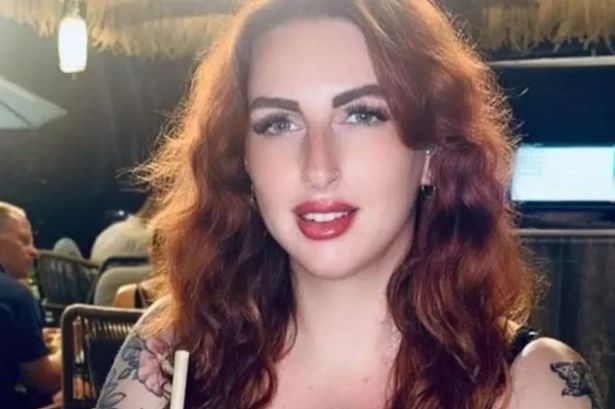
When Adam Watkins, a resident of Cardiff, experienced sudden difficulty speaking clearly, he initially believed that he was simply intoxicated. However, his condition took a serious turn when his girlfriend recognized the alarming signs and insisted he seek medical attention. This critical decision led to a shocking diagnosis: Watkins had suffered a stroke.
Watkins first noticed something was amiss when he struggled to form coherent sentences and his words began to slur. Initially dismissed as a result of a night out, his symptoms quickly escalated. His girlfriend, concerned about what she perceived as drunkenness, became worried when his condition did not improve.
Following her insistence, Watkins visited a local hospital where medical professionals performed several tests. The results revealed the unexpected diagnosis that would change his life. According to a report from the Cardiff and Vale University Health Board, he had experienced a stroke, a medical emergency that can result in significant long-term effects if not addressed swiftly.
Understanding Stroke Symptoms
A stroke occurs when blood flow to the brain is disrupted, leading to potential brain damage. The symptoms can vary widely but often include sudden weakness on one side of the body, confusion, difficulty speaking, and severe headaches. The speed of treatment is crucial, with the National Health Service (NHS) emphasizing the importance of acting quickly to reduce long-term damage.
Watkins’ experience highlights the need for awareness regarding stroke symptoms. Many individuals may overlook or misinterpret these signs, as was the case with him. Medical professionals stress that recognizing the difference between intoxication and acute medical conditions can be lifesaving.
The Path to Recovery
Following his diagnosis, Watkins entered a rehabilitation program, aiming to regain his speech and mobility. He is now sharing his story to raise awareness about the importance of recognizing stroke symptoms and the need for immediate medical attention.
His journey serves as a reminder that what may seem like a simple case of drunkenness could, in fact, be something far more serious. Watkins encourages others to listen to their bodies and seek help when symptoms arise, no matter how trivial they may seem.
As he continues his recovery, Watkins is committed to educating others about strokes and advocating for prompt medical intervention. His experience serves as a crucial reminder that awareness and quick action can significantly impact health outcomes, potentially saving lives.