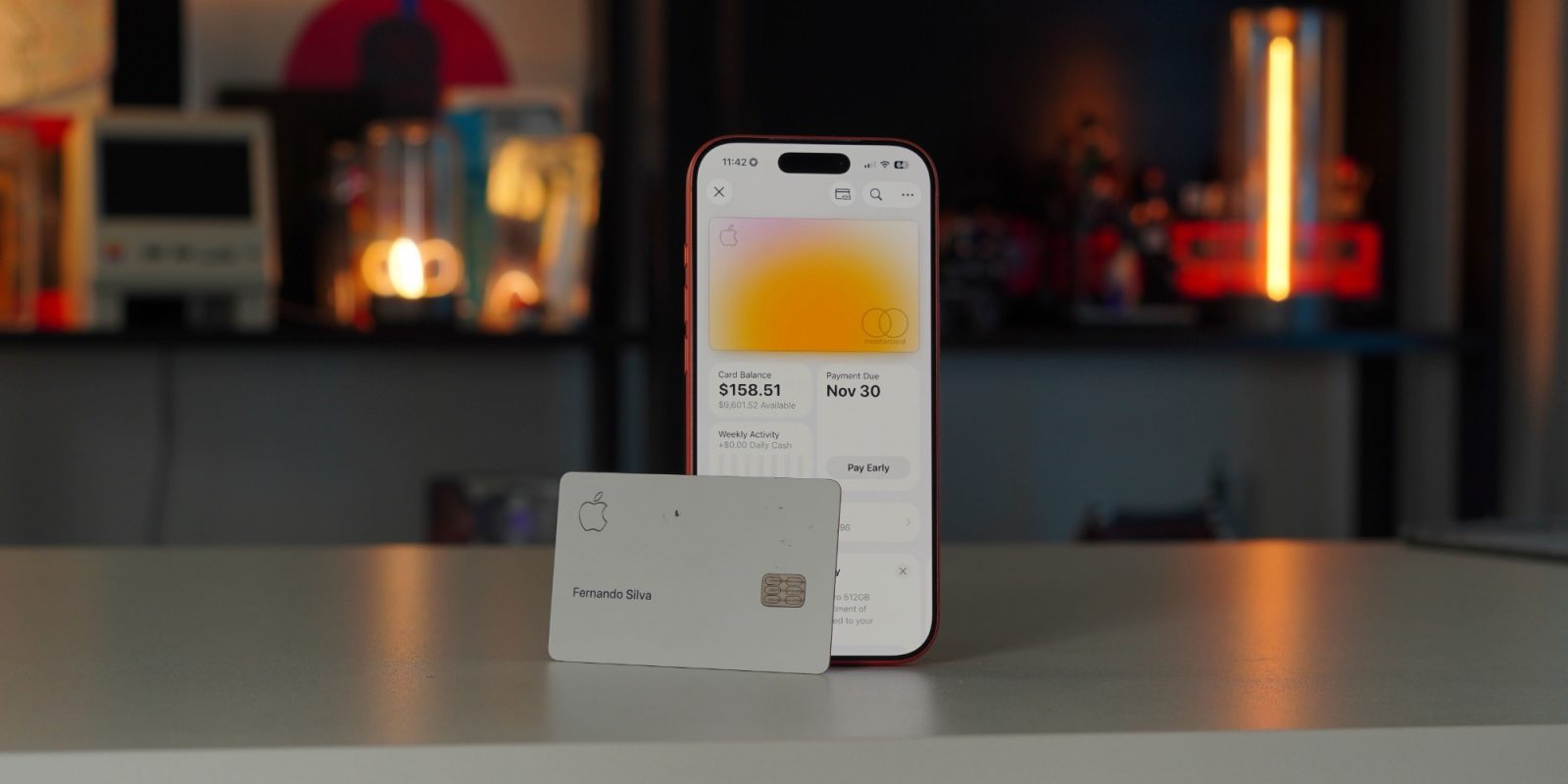
The future of the Apple Card partnership is in jeopardy as Goldman Sachs seeks to exit the collaboration that has reportedly cost the bank over $1 billion since its inception more than six years ago. With discussions underway about a potential takeover, key players in the banking sector, including JPMorgan Chase, are emerging as frontrunners.
Goldman Sachs has faced significant financial challenges tied to the Apple Card, which has attracted a high percentage of subprime customers. The card boasts generous benefits, including no foreign transaction fees, no late fees, and up to 3% cash back on purchases with partner merchants. However, the high rate of subprime customers—currently at 34%—and a 4% delinquency rate, surpassing the industry average of 3.05%, have raised concerns.
Potential Buyers and Their Challenges
While JPMorgan Chase is the leading candidate to take over the Apple Card partnership, other financial institutions like American Express, Capital One, and Synchrony have also been mentioned in discussions. However, recent comments from American Express CEO Stephen Squeri suggested hesitance regarding the partnership, particularly due to the card’s subprime customer base.
JPMorgan faces its own hurdles in the acquisition process. The bank currently has around a 15% subprime customer rate, while Capital One, known for serving subprime borrowers, operates at approximately 31%. Given the high percentage of subprime customers associated with Apple Card, any deal would need to be financially advantageous, potentially at a “huge discount.”
Apple Card and Savings Account Dynamics
Another aspect of the Apple Card situation involves the Apple Card Savings Account, also issued by Goldman Sachs. Although customers must hold an Apple Card to access this savings account, it does not heavily depend on the card itself. Customers can opt to deposit their Apple Card cash back into the savings account, but the connection is not deeply integrated.
Currently, Goldman Sachs continues to offer its Marcus by Goldman Sachs savings account product, despite a broader retreat from the consumer finance market. This raises the possibility that Goldman will maintain the savings account, even if the credit card partnership transitions to another lender.
The anticipated exit from the Apple Card partnership may occur as early as 2026, following years of negotiations with potential buyers. While the exact implications for the Apple Card remain uncertain, the high levels of subprime customers and existing losses suggest that significant changes may be on the horizon.
If a takeover occurs, it is plausible that new terms could include the introduction of late fees or alterations to the card’s generous offerings. Should JPMorgan Chase not finalize the deal, Capital One could be a viable alternative, particularly following its acquisition of Discover last year, which may provide it with a competitive edge in the credit card space.
The evolving landscape of financial partnerships and the implications for consumers will continue to unfold as discussions progress.