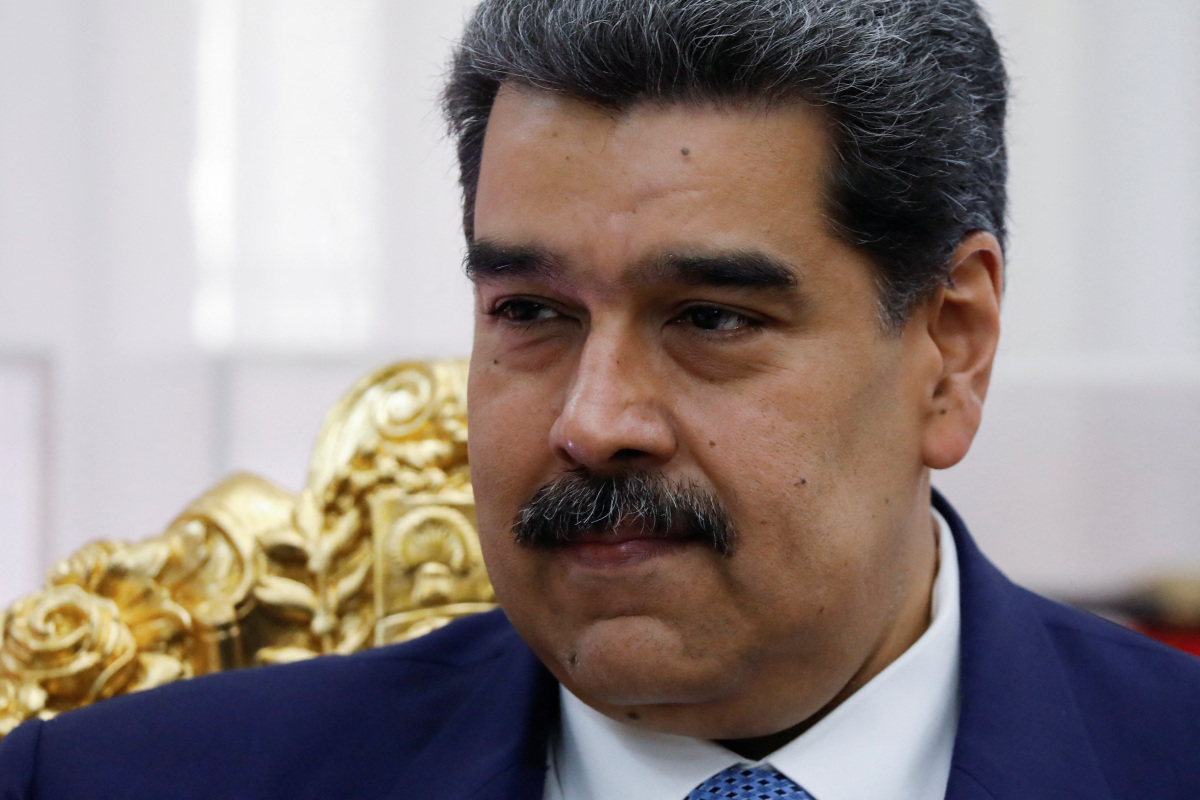
In a dramatic escalation of military action, the United States launched a targeted operation in Venezuela on January 3, 2026, resulting in the capture of President Nicolás Maduro and his wife. The operation involved airstrikes on key locations, with President Donald Trump confirming the actions through a post on social media. He described the operation as a “large-scale strike” conducted in conjunction with US law enforcement and stated that Maduro had been “captured and flown out of the country.”
Explosions erupted across Caracas and other regions, marking a significant shift from previous US military efforts that primarily focused on disrupting drug trafficking routes. This operation, which Trump indicated was part of a broader counter-narcotics initiative, saw military assets deployed in the Caribbean, following a series of air and naval strikes aimed at vessels linked to drug trafficking.
The operation’s intensity was underscored by verified footage from the scene, showing smoke and explosions illuminating the night sky. Reports indicated a chaotic environment in the capital, with power outages and a notable absence of civilians in some areas. Following the strikes, Venezuela’s acting Vice-President Delcy Rodríguez demanded “proof of life” for Maduro and his wife, whose exact whereabouts remain unconfirmed.
In her remarks on state media, Rodríguez called for citizens to defend their homeland against what she termed “imperialist aggression.” This reaction signals the potential for significant unrest, as local sentiments appear mixed. Images from the ground reflected a community grappling with sudden military upheaval.
International Reactions and Implications
This operation did not occur in isolation; it is viewed as the culmination of a months-long campaign by the current US administration. Since August 2025, military pressure on Venezuela has intensified, with the US authorizing military force against Latin American drug cartels. The scale of the US military presence in the Caribbean is regarded as one of the largest since the 1962 Cuban Missile Crisis.
Critics of Trump’s administration have raised concerns over the legality of these military actions, particularly regarding compliance with the War Powers Resolution, which requires Congressional consultation for extensive military force. The Venezuelan government has condemned the strikes, with Defense Minister Vladimir Padrino López denouncing the operation as “the most criminal military aggression” aimed at enacting regime change to exploit Venezuela’s natural resources.
In response, Caracas has mobilized its citizens to resist what it perceives as an attack on its sovereignty. Statements from regional governments, including Colombia, reflect deep concern over the potential for escalation and instability in the region. Calls for emergency sessions by organizations such as the Organisation of American States and the United Nations have emerged from neighboring states apprehensive about the implications of direct military intervention.
Potential for Wider Conflict
The capture of Maduro, if confirmed independently, represents a pivotal moment for Venezuela. Analysts caution that the situation may provoke violent reactions from loyalist militias and irregular forces within the country. The Venezuelan government has consistently asserted that it will defend its sovereignty, hinting at possible mobilization of reserve militias organized under the Bolivarian Militia program.
As the region observes the developments, the likelihood of a Venezuelan counter-response or broader conflict remains uncertain. The unfolding events could either pave the way for significant change in Venezuelan governance or trigger a cycle of violence that extends beyond its borders. The coming weeks will be crucial in determining whether this operation marks the beginning of a protracted conflict or a decisive turning point in US-Venezuelan relations.