As schools in Greater Manchester prepare to reopen, the challenging commutes faced by families in temporary accommodation have come into sharp focus. Many parents, such as Tosin Balogun, find themselves navigating long and stressful journeys to ensure their children can attend school. Following a forced eviction from their home in Gorton three years ago, the Balogun family was temporarily housed in Stretford. The six-mile distance between their new residence and the school, Manchester Communication Academy, requires extensive travel, often lasting over an hour on public transport.
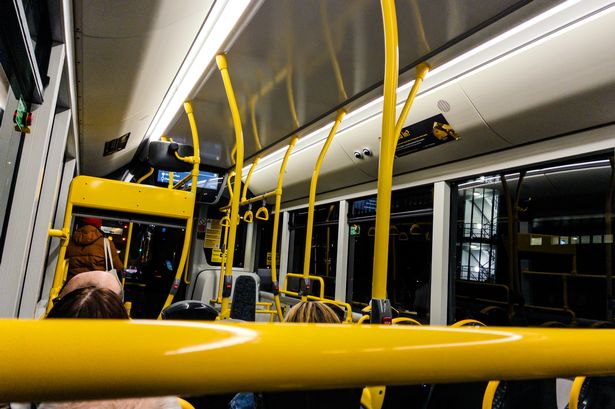
Tosin, a 42-year-old healthcare assistant, described the ordeal, saying, “We used to leave home at 6:30 AM to get to school for 8:15 AM. Sometimes the bus would be full, and we would have to wait for another one.” The journey involves taking two buses, with a transfer at Piccadilly Gardens, adding to the complexity and stress of the commute. Despite the difficulties, the family was ineligible for free school transport, as government rules state that such assistance is only available if children live more than two miles from school without a suitable alternative nearby.
The impact of these policies is felt by many families in the region, as approximately 8,000 children in Greater Manchester are currently living in temporary accommodation. This situation forces parents to make a difficult choice: either pay for transport or seek to change their children’s school. Tosin has opted to continue paying for transport, a decision echoed by many others facing similar circumstances.
In response to the growing concerns, the Manchester Evening News has launched a campaign urging Andy Burnham, the Mayor of Greater Manchester, to introduce free bus passes for children living in temporary accommodation more than 30 minutes from school. The campaign has garnered support from eight MPs, including six from Burnham’s Labour Party, as well as various charities and local residents, all advocating for a more equitable solution.
Recently, the leadership at Manchester Communication Academy took the initiative to assist some homeless children by covering their bus fares, using a grant of £10,000 from the Greater Manchester Mayor’s Charity. This funding is aimed at providing bus tickets, staff training, and support packages for newly homeless families in the area.
On December 3, 2023, Mayor Burnham acknowledged the challenges faced by families like the Baloguns. While expressing sympathy, he did not commit to the proposed free bus passes. He noted, “What might open the door is we are moving to a more interventionist space as a combined authority when we signed off using 400 empty properties to reduce the bill in temporary accommodation.”
The early morning commute for families in Stretford can be daunting. The area is bustling with traffic, and public transport options, such as the 255 and 263 buses, are often crowded. Students need to arrive at school by 8:25 AM to access a free breakfast, adding pressure to an already stressful situation.
While the introduction of hopper fares has simplified ticketing, the financial burden remains significant for families in temporary accommodation. For instance, if Tosin had to repeat her previous commute today, she would spend at least £5.33 daily for bus fares, which adds up to over £40 monthly for her two children.
This ongoing struggle highlights the urgent need for policy changes to support vulnerable families. Local advocates, including Tosin and various MPs, believe that no parent should have to choose between affording transportation and ensuring their children have access to education. The Manchester Evening News continues to call for action from Mayor Burnham, urging him to implement solutions that alleviate the burdens faced by families during this challenging time.
As the new school term approaches, the plight of families like the Baloguns serves as a crucial reminder of the obstacles many face daily in securing a stable education for their children. The hope is that necessary changes will be made to ensure that all children, regardless of their circumstances, have equal access to education without the added stress of financial burdens.