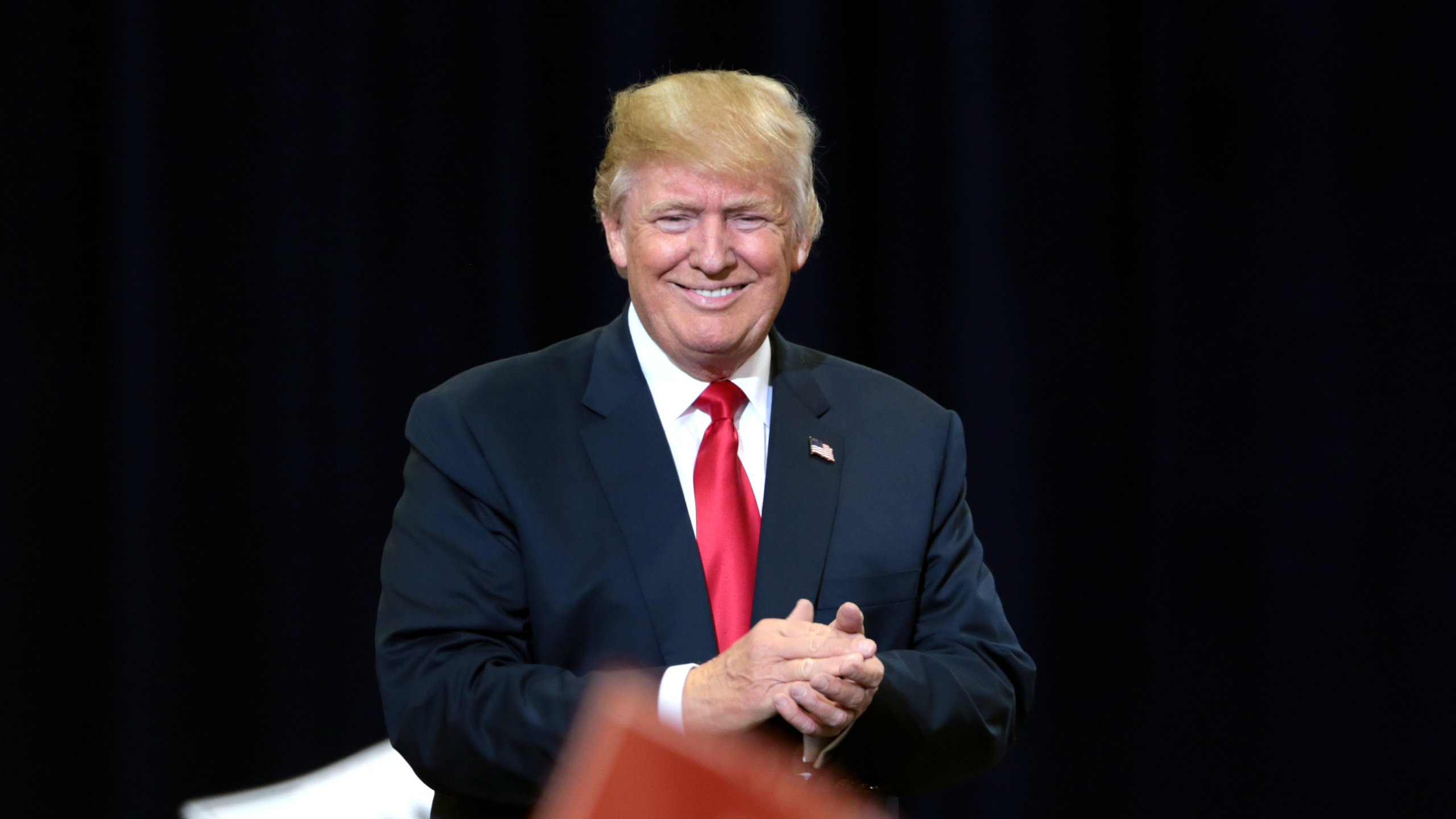
In a recent fundraising email, former US President Donald Trump claimed that a so-called “woke mind virus” has infiltrated American institutions, urging supporters to contribute immediately to prevent Democrats from “stealing” future benefits. The email, which has raised concerns among political opponents, frames the appeal as a critical emergency, pushing recipients to act quickly to safeguard their financial entitlements.
The message, circulated by Trump’s political team, warned supporters that without swift donations, future rebate checks tied to tariff revenues could be rerouted to immigrants or “illegals.” This communication included phrases like “Troubles are BOILING OVER” and “REBATE CHECKS ON THE LINE,” designed to evoke a sense of urgency and compel immediate action. While the Trump campaign has not officially published a transcript of the email, screenshots have been widely shared online.
Fundraising Strategy and Cultural Rhetoric
The term “woke mind virus” has gained traction within conservative circles, including figures such as Elon Musk. Scholars of political communication observe that this phrase often serves as a rhetorical shorthand opposing initiatives related to diversity, equity, and inclusion. The urgency expressed in Trump’s email aligns with a broader strategy observed in Republican fundraising efforts, leveraging emotional appeals alongside financial incentives.
Political analysts have noted that this particular email stands out due to its combination of financial urgency and culture-war language. The blending of these elements reflects Trump’s ongoing strategy to energize his base as the 2026 midterm elections approach. The campaign has increasingly focused on direct appeals to small donors through email, text messages, and social media, a tactic that has become central to its fundraising efforts.
Opposition figures have criticized the email, labeling its language as misleading and fear-mongering. They emphasize that the assertion Democrats would redirect government payments without legislative action is unfounded. Independent fact-checkers have consistently warned against accepting unverified claims about government entitlements that circulate in political fundraising appeals.
Political Implications and Future Outlook
Democratic strategists argue that Trump’s approach to merging economic claims with provocative cultural language is intended to capture attention and maximize short-term donations, despite the lack of substantiation for such claims. Critics contend this tactic undermines trust in public discourse by amplifying fringe concerns instead of fostering informed policy discussions.
As fundraising deadlines loom, Trump’s campaign appears committed to this messaging strategy. Supporters receiving the email encountered direct calls to action, such as “STAND WITH TRUMP” and “STOP THE BOIL,” effectively designed to convert urgency into immediate contributions. This approach highlights how modern political fundraising tactics intertwine emotional appeals with financial incentives, shaping the dynamics of electoral engagement.
In the evolving landscape of political communication, Trump’s use of alarmist rhetoric reinforces the ongoing culture wars, further complicating public discourse. The implications of this strategy will likely influence not only the upcoming midterms but also the broader narrative surrounding political fundraising in the United States.