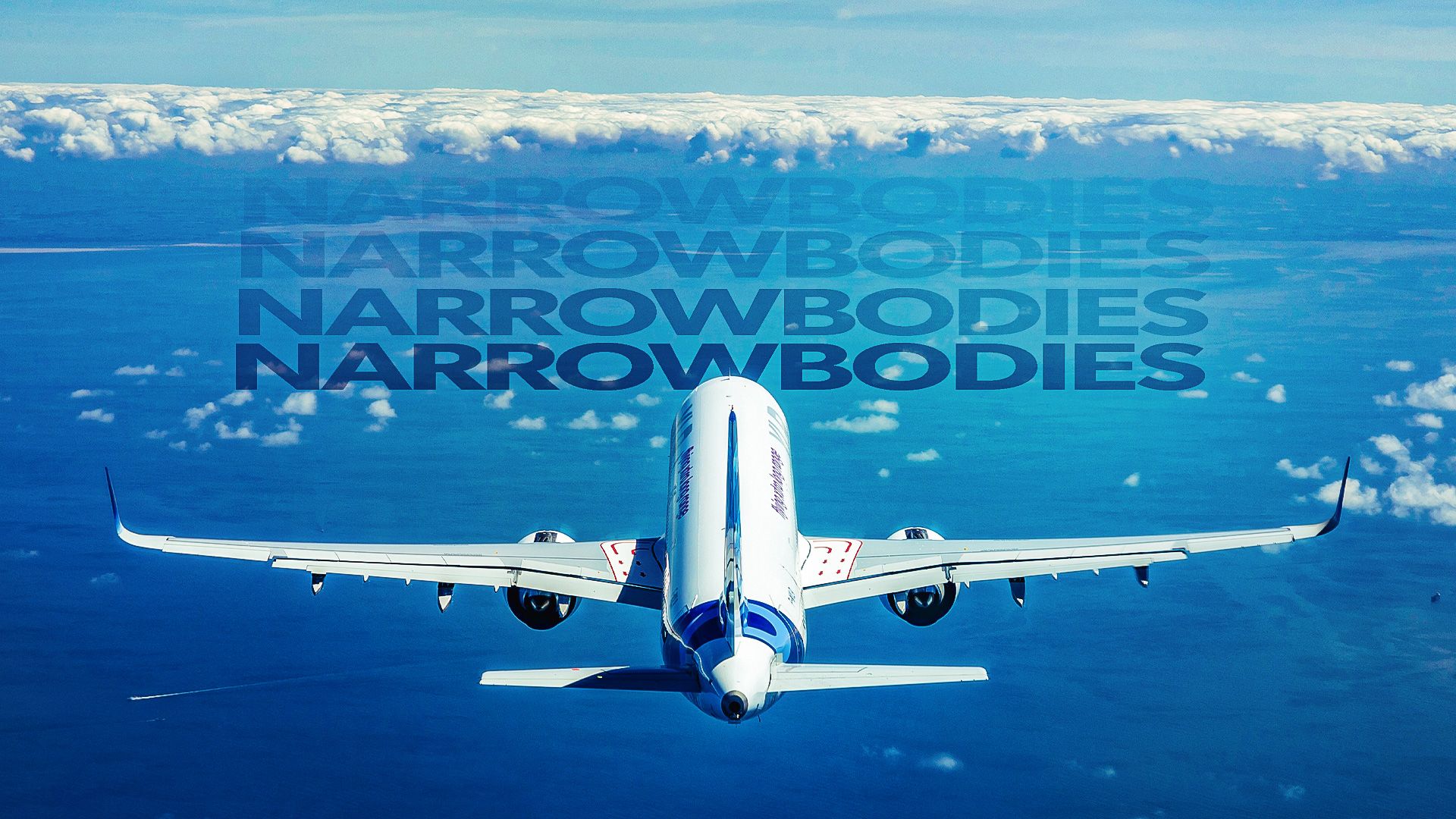
UPDATE: The aviation industry is witnessing a significant surge in the use of narrowbody aircraft for long-haul flights. This trend is driven by advancements in technology, allowing models like the Boeing 737 MAX and Airbus A321XLR to operate transatlantic routes effectively, reshaping airlines’ operational strategies as of November 2023.
Airlines face intense competition with slim profit margins, pushing them to streamline operations and maximize efficiency. Historically, low-cost carriers struggled to compete on long-haul routes dominated by widebody aircraft. However, the latest narrowbody models are changing the game, enabling airlines to offer affordable options for long-distance travel.
At the forefront of this shift is TAP Air Portugal, which utilizes the A321LR to serve destinations across North America and Brazil, adapting their fleet based on seasonal demand. “The A321LR helps us serve smaller destinations where demand varies,” said Fredric Gossot, TAP’s Sales Director, highlighting the aircraft’s versatility.
The Airbus A321XLR and Boeing 737 MAX 8 provide airlines the ability to operate long-haul services at reduced costs, increasing access to new markets. This operational flexibility allows airlines to match capacity to seasonal demand, making air travel more accessible to a broader range of passengers.
Historically, the Boeing 757 played a crucial role in long-haul narrowbody operations since its debut in 1983. Although production ceased in 2004, many 757s remain active, primarily in the United States with Delta Air Lines and United Airlines as the largest operators. Delta’s fleet boasts over 120 Boeing 757s, which they utilize for various routes, underlining the aircraft’s long-standing significance in the market.
As new narrowbody models emerge, airlines are increasingly replacing aging fleets. The A321XLR is set to revolutionize long-haul operations, with airlines like JetBlue, Air Canada, and Air Transat adopting these aircraft for busy transatlantic routes. Such moves reflect a growing trend where narrowbody aircraft complement existing widebody operations, particularly in markets where demand does not justify a larger aircraft.
The competitive landscape is rapidly evolving, with orders for narrowbody aircraft soaring. As of now, over 7,000 orders for the A321neo family—including the LR and XLR variants—are in the pipeline, with a backlog exceeding 5,000 aircraft. Meanwhile, Boeing has delivered over 2,000 MAX aircraft, with a backlog of 4,700 still pending delivery.
The implications for travelers are significant. With airlines investing in improved onboard experiences, such as lie-flat seats and enhanced amenities, narrowbody aircraft are becoming a viable option for long-haul journeys. This shift opens up affordable long-distance travel options for passengers, allowing more individuals to explore international destinations.
As airlines phase out older models like the 757, the transition to newer, more efficient narrowbody aircraft is poised to expand. This trend not only enhances operational efficiency but also democratizes air travel, making it more accessible to a wider audience.
Stay tuned for more updates as airlines continue to innovate and adapt to changing market dynamics, reshaping the future of air travel.