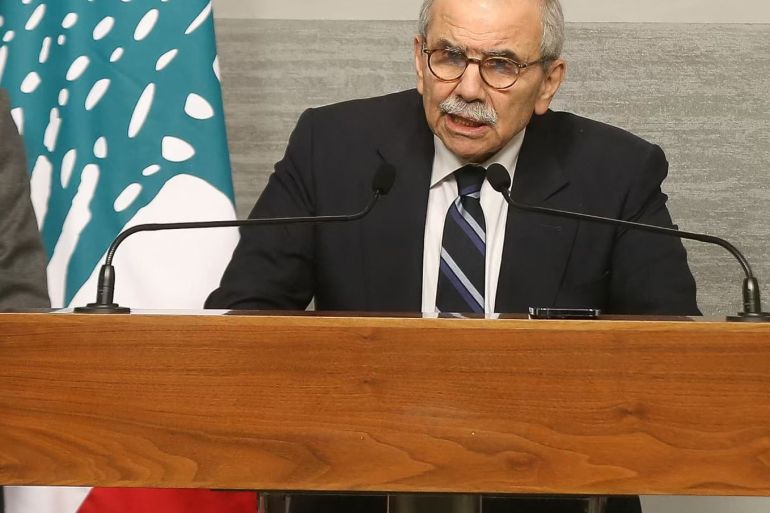
Lebanon’s cabinet has approved a draft law aimed at addressing the country’s severe financial crisis, which has persisted for over six years. The proposed legislation, often referred to as the “gap law,” seeks to enable depositors to regain access to their funds. Since the financial turmoil began in late 2019, the Lebanese Lira has plummeted in value, losing approximately 98 percent of its worth, leading to widespread restrictions on bank withdrawals.
Under the terms of the gap law, individuals who deposited up to $100,000 will be reimbursed within four years. This timeline marks a significant improvement over previous proposals, which suggested repayment could extend over a decade. Nonetheless, the current plan has drawn criticism for not addressing the needs of all depositors, as those with accounts exceeding $100,000 will only receive the initial amount in cash, with the remainder issued as bonds backed by the Central Bank of Lebanon.
Implications for Key Stakeholders
Fouad Debs, a lawyer and member of the Depositors Union, expressed concerns about the law’s shortcomings. He highlighted that earlier proposals from 2020, during the administration of former Prime Minister Hassan Diab, had promised depositors with larger amounts access to funds up to $500,000. Debs remarked, “This was probably the biggest lost opportunity, and it was done to protect the banks.”
The current draft law places a greater financial burden on the state, which will need to cover the “gap” between the obligations of Lebanese banks and the actual amount the financial system can disburse. Estimates indicate that this gap could reach as high as $70 billion. Critics argue that the draft law allows banks to escape accountability, as they are only responsible for 40 percent of withdrawals, despite their pivotal role in precipitating the financial crisis.
Audits and Accountability
Prime Minister Nawaf Salam has stated that a comprehensive financial audit will accompany the implementation of the law. This forensic audit aims to scrutinize banks’ operations, including executive bonuses and dividends paid during the crisis, which contradicts the plight of ordinary depositors who have been unable to access funds for basic needs. Debs asserted, “Depositors should be last on the list to have to pay.”
Banks have consistently maintained that the state should absorb the financial losses, arguing that their funds were entrusted to the Central Bank of Lebanon, which subsequently mismanaged the money. Critics, however, contend that banks made substantial profits and should take responsibility for their actions.
The state’s ability to repay depositors hinges on public funds, with plans to issue bonds backed by state assets, including Lebanon’s gold reserves. This approach has raised alarm among observers, as existing bonds have often been sold to vulture funds outside the country, suggesting that repayments could ultimately benefit foreign entities at the expense of the Lebanese population.
In a rare alignment, the International Monetary Fund (IMF) has echoed calls for fairness, questioning the prioritization of depositors over bankers. Debs noted, “The IMF is saying… ‘how can you make depositors pay before bankers?’” This shared perspective highlights the growing concerns regarding the interests of the ruling elite in Lebanon and their impact on the ongoing economic crisis.
As the draft law moves toward parliamentary debate, the ongoing discussions surrounding its provisions will be crucial in determining whether it can effectively address the financial hardships faced by millions of Lebanese citizens.