Recent changes in legislation have dramatically altered the landscape of justice for victims of domestic abuse. On December 29, 2015, the introduction of laws specifically targeting coercive and controlling behaviour marked a significant shift in how psychological abuse is recognized and prosecuted. Over the past decade, this legal framework has facilitated a remarkable increase in reported cases and prosecutions, reflecting a growing societal awareness of this insidious form of abuse.
Significant Increase in Reporting and Prosecutions
Before the legislation took effect, victims often faced challenges in seeking help due to the hidden nature of coercive control. This type of abuse, which can manifest through psychological manipulation, isolation, and intimidation, often leaves no physical marks. According to the Crown Prosecution Service (CPS), fewer than 200 cases of coercive control were charged in 2016. By 2024, this number surged to nearly 5,000, with over 20,600 coercive control offences charged since the law’s implementation.
In the last quarter of 2024, more than 1,600 offences progressed through the legal system, compared to just 53 charges in late 2015. This increase is not indicative of a new trend, but rather a societal shift towards recognizing and naming coercive control as a crime. Each case represents not just a statistic, but also a victim who found the courage to come forward, a police officer who took their claims seriously, and a prosecutor who built a case based on evidence such as phone records and witness testimonies.
Government Commitment to Addressing Domestic Abuse
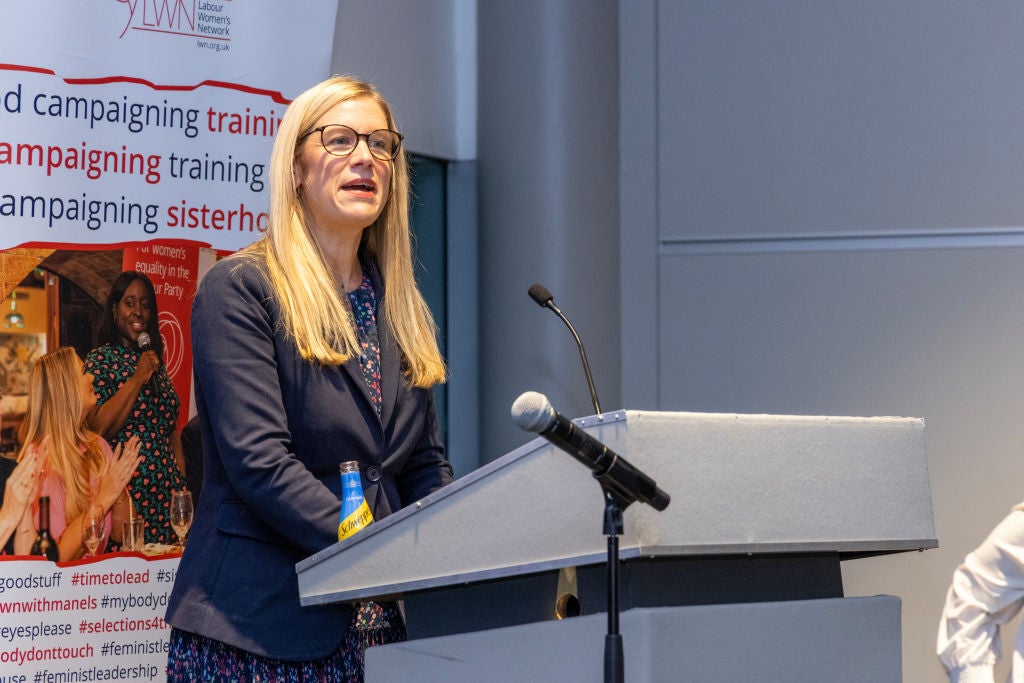
Ellie Reeves, the Solicitor General and Labour MP for Lewisham West and East Dulwich, emphasizes her commitment to tackling violence against women and girls. She states, “We are finally recognizing it, naming it, and prosecuting it.” Reeves oversees the CPS, which has adopted trauma-informed approaches to handling cases of coercive control. This includes training specialized prosecutors to build robust cases that reflect the patterns of abusive behaviour.
The government has recently announced a comprehensive Violence Against Women and Girls (VAWG) strategy aimed at halving incidents of violence within a decade. Initiatives already in place have protected over 1,000 victims through domestic abuse protection orders. Furthermore, the strategy includes embedding domestic abuse specialists in emergency response teams, ensuring victims receive appropriate support from the initial point of contact.
Educational initiatives are also being implemented, with plans for every secondary school in England to provide resources on healthy relationships by 2029. This proactive approach aims to address attitudes and behaviours that contribute to violence against women and girls from a younger age.
Despite these advancements, Reeves acknowledges that many victims still do not recognize coercive control as a criminal offence. She urges anyone who may identify with the experiences described to seek help. “If you are reading this and recognizing your own relationship, please know you’re not alone. Help is available and the law is on your side,” she states.
Support is accessible through resources like the National Domestic Abuse Helpline, which can be reached at 0808 2000 247. In emergencies, individuals are advised to call 999.
The past decade has shown clear progress in addressing coercive control, but continued efforts are essential to ensure that all victims feel empowered to seek justice and support.