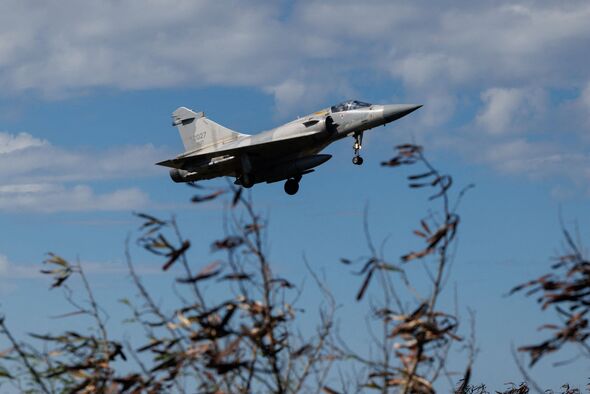
China’s military initiated a series of live-fire drills around Taiwan on August 7, 2023, involving air, navy, and rocket units. This operation is described by Beijing as a “stern warning” to separatist movements and what it labels “external interference.” The drills come in response to heightened tensions following U.S. arms sales to Taiwan and remarks from Japanese Prime Minister Sanae Takaichi, who indicated Japan could intervene if China were to take aggressive actions against the self-governing island.
In reaction to the military exercises, Taiwan’s government placed its forces on alert. Officials in Taipei condemned the Chinese government, calling it “the biggest destroyer of peace” in the region. The situation has escalated as both sides exchange rhetoric, with Taiwan emphasizing its determination to defend its sovereignty.
The Chinese military did not specifically mention the United States or Japan in its official statements regarding the drills. Instead, the focus remained on demonstrating its military capabilities. This latest maneuver follows a series of similar exercises earlier this year, which China has conducted in response to perceived provocations from Taiwan and its allies.
Regional Implications of the Drills
The live-fire exercises have raised concerns among international observers about the potential for conflict in the Taiwan Strait. Analysts suggest that these actions may be part of a broader strategy by Beijing to assert its claims over Taiwan, which it considers a breakaway province. The drills also coincide with a period of increased military activity in the region, further complicating the security landscape.
Taiwan’s government has consistently stated its commitment to maintaining peace but has also warned that it will not back down in the face of aggression. The island has been increasing its defense capabilities in recent years, partly due to the ongoing threat from the mainland.
International Reactions
The response from the international community has been mixed. While some nations have reiterated their support for Taiwan’s right to self-defense, others have called for dialogue to reduce tensions. The United States, a key ally of Taiwan, has emphasized its commitment to ensuring peace and stability in the region.
Meanwhile, Japan’s involvement reflects a growing concern among neighboring countries regarding China’s military assertiveness. Prime Minister Takaichi’s comments signal a shift in Tokyo’s defense posture, which may lead to increased collaboration with Taiwan and other allies.
As the situation develops, both Taiwan and China remain on high alert. The live-fire drills underscore the fragile state of relations in the region and the potential for miscalculations that could lead to escalated conflict.