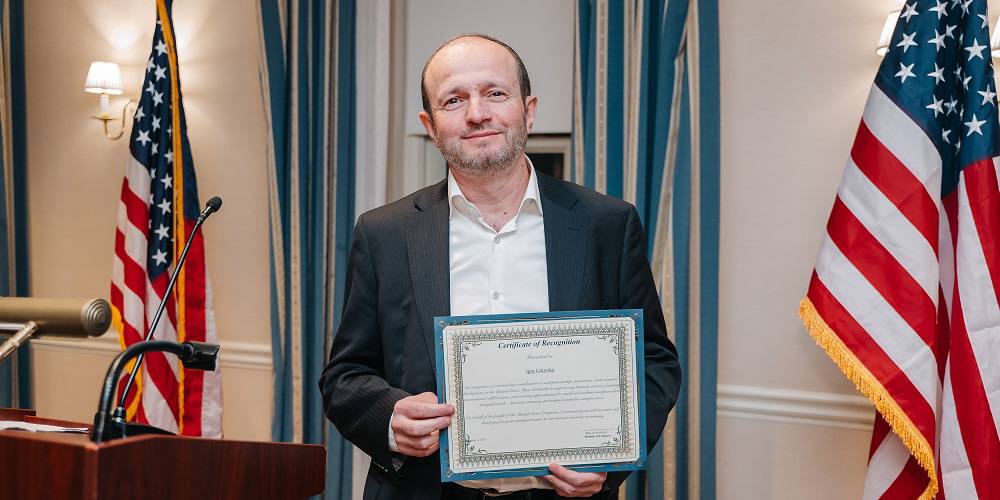
UPDATE: Cybersecurity expert Igor Litovsky warns that loyalty programs are facing an unprecedented surge in attacks, with digital fraud exposure increasing by 89% in just one year. This alarming trend, highlighted in the latest Digital Trust Index 2025 by Sift, underscores the urgent need for enhanced protections in these systems, which function as digital currencies.
As fraudsters evolve their tactics, the implications for businesses and consumers are dire. Loyalty programs, once considered a marketing tool, now represent a significant financial risk, with annual losses estimated between $1 billion and $3 billion globally. Litovsky emphasizes that these programs must be fortified like any other financial asset, as they increasingly serve as a target for cybercriminals.
In a recent interview, Litovsky shared insights into the vulnerabilities of loyalty programs. “Most loyalty programs operate with minimal protections compared to traditional financial accounts,” he stated. “Points and bonuses have effectively become shadow currencies, yet they lack rigorous monitoring.” This oversight makes them exceptionally appealing to attackers who can exploit architectural weaknesses across various platforms.
The growing digitization of these programs has further exacerbated the issue. “Digitization often lowers the entry threshold for attacks, making systems more complex and less secure,” Litovsky warned. With AI-driven bots automating fraud at scale, the risk of account takeovers and rapid redemptions is alarmingly high. He noted that credential stuffing — where stolen login details are tested across multiple services — has become a common method for breaching loyalty accounts.
Litovsky’s efforts in fraud prevention have been recognized; he received the Congressman’s Award in December 2025 for his contributions to the field. His multi-layered fraud control frameworks have successfully reduced reward abuse by 52% while enhancing customer experiences.
The urgency of addressing this crisis is underscored by a troubling trend: loyalty fraud is no longer a simple issue but a complex web of threats that evolve faster than defenses can be erected. “Good guys often lose the race against fraudsters,” Litovsky explained. “The key is being proactive rather than reactive.”
As loyalty programs increasingly integrate into the financial fabric of businesses, companies must adopt a proactive stance. “Automation and real-time monitoring can dramatically improve fraud detection,” he advised. His strategies include implementing multi-factor authentication and behavioral biometrics to block account takeovers before they occur.
Experts agree that the silent impact of successful fraud prevention is often more telling than visible metrics. “The best result in cybersecurity is silence — the absence of incidents,” Litovsky remarked. As the landscape of digital loyalty evolves, the stakes are higher than ever. Companies must act urgently to protect their customers and their bottom lines.
The call to action is clear: businesses must start viewing loyalty programs as critical components of their financial infrastructure, requiring dedicated resources and robust security measures. With trillions of dollars in loyalty points at risk, the time to act is now. Share this urgent message and stay informed on the latest developments in the fight against loyalty fraud.