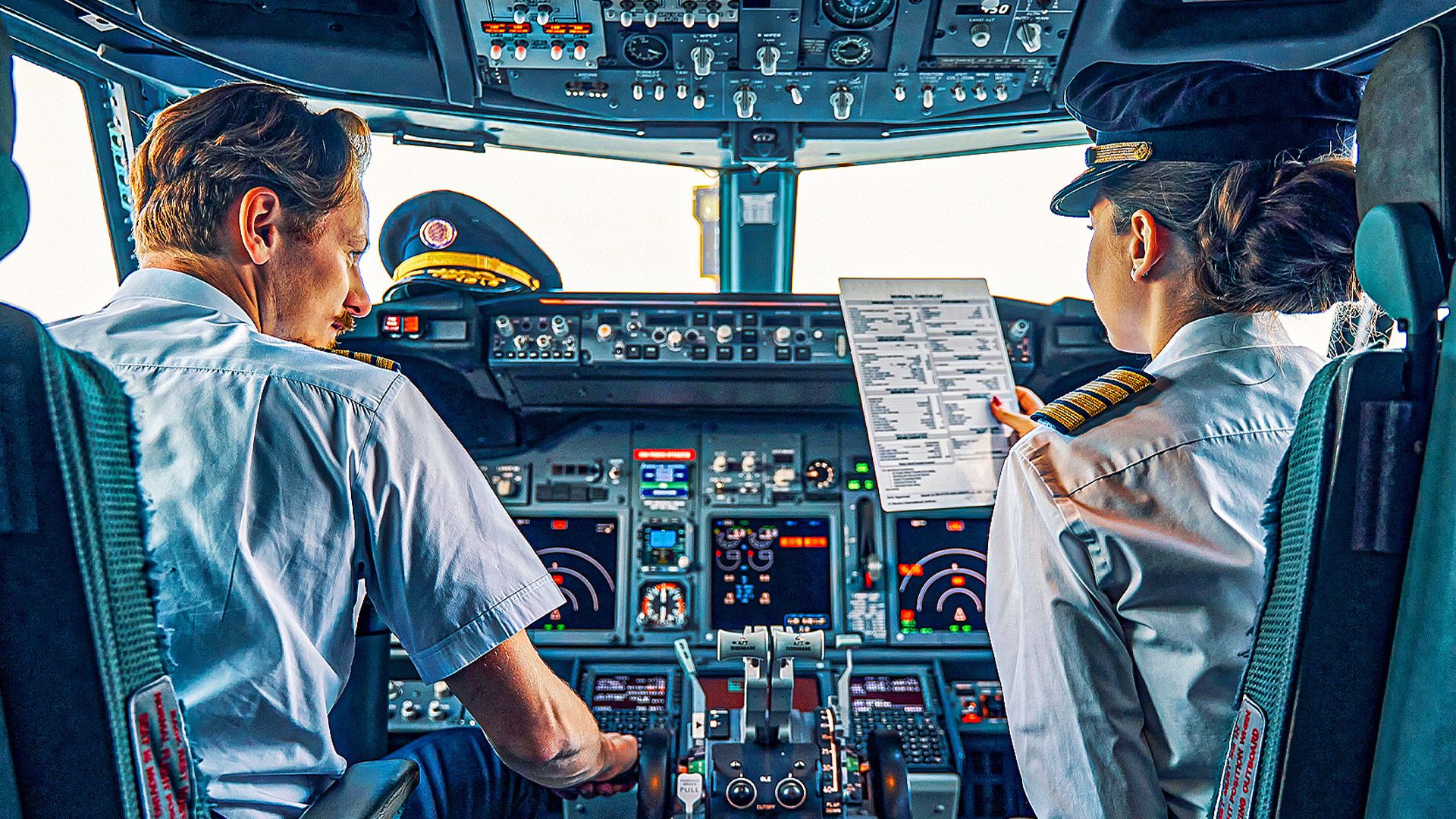
BREAKING NEWS: Pilots navigating the skies are facing a critical choice between Boeing and Airbus cockpits, with significant implications for flight safety and performance. As of September 2023, key differences in design philosophies are reshaping how pilots interact with these aircraft, creating urgent discussions within the aviation community.
When stepping into a **Boeing 737** or **Boeing 777**, pilots encounter a cockpit filled with mechanical switches and a traditional yoke, promoting a tactile connection to the aircraft. In contrast, the **Airbus A320** and **Airbus A350** feature a more modern design with a sidestick control, which sparks debate among pilots regarding the implications of automation and pilot authority.
The core of this debate centers around a fundamental question: who is in charge during flight—the pilot or the computer? Boeing’s design philosophy gives the pilot the final say, emphasizing human decision-making. Modern Boeing aircraft utilize fly-by-wire technology but maintain soft limits to allow pilots to take control in critical situations.
Conversely, Airbus prioritizes safety through automation, preventing pilots from making potentially dangerous maneuvers. The aircraft’s flight computers automatically restrict actions that could lead to stalling or exceeding g-load limits, ensuring safety in routine conditions. This design aims to keep pilots within safe flying parameters, allowing for a less stressful flying experience.
The cockpit interface is another pivotal difference. Boeing employs a traditional yoke that connects the captain and first officer, fostering communication through physical feedback. If one pilot turns left, the other feels the response, creating a shared experience. On the other hand, Airbus has separate sidesticks for each pilot, which can lead to complications if both pilots input conflicting commands. To mitigate this, Airbus introduced priority buttons and audio warnings for dual inputs, though opinions remain divided on the effectiveness of this system.
Thrust management also reveals stark contrasts. Boeing’s autothrottle adjusts thrust levels dynamically, allowing pilots to feel changes through the levers during critical moments like landing. In contrast, Airbus uses fixed thrust levers that do not move during flight, requiring pilots to monitor engine performance visually rather than through tactile feedback. This design choice simplifies operations but demands a shift in how pilots engage with their aircraft.
Cockpit ergonomics further differentiate the two manufacturers. Boeing’s manual seat adjustments can be labor-intensive, especially for pilots of varying heights. Airbus, however, offers electric seats that adjust at the push of a button, enhancing comfort during long flights. These seemingly minor details significantly affect pilot fatigue and overall performance over extended periods.
In emergencies, Boeing and Airbus adopt different approaches to alerts and system management. Boeing’s **EICAS** system informs pilots of issues with clear messages, placing the onus on them to decide the next steps. Meanwhile, Airbus’s **ECAM** offers step-by-step guidance, ensuring critical actions are not overlooked. Each system has its merits, with Boeing expecting pilots to maintain situational awareness and Airbus prioritizing structured responses.
As cockpit designs evolve, the aviation industry faces a pressing need for pilots to adapt to these contrasting systems. The choice between Boeing and Airbus is more than a matter of preference; it affects training, safety, and operational efficiency. Pilots today must master both environments to ensure safety and effectiveness in the cockpit.
The aviation community is on high alert as these designs continue to shape pilot experiences and operational dynamics. The implications of these differences could influence future regulations and pilot training programs, making it crucial for all involved to stay informed.
Stay tuned for ongoing updates as the industry navigates these critical changes and their potential impact on flight safety worldwide.