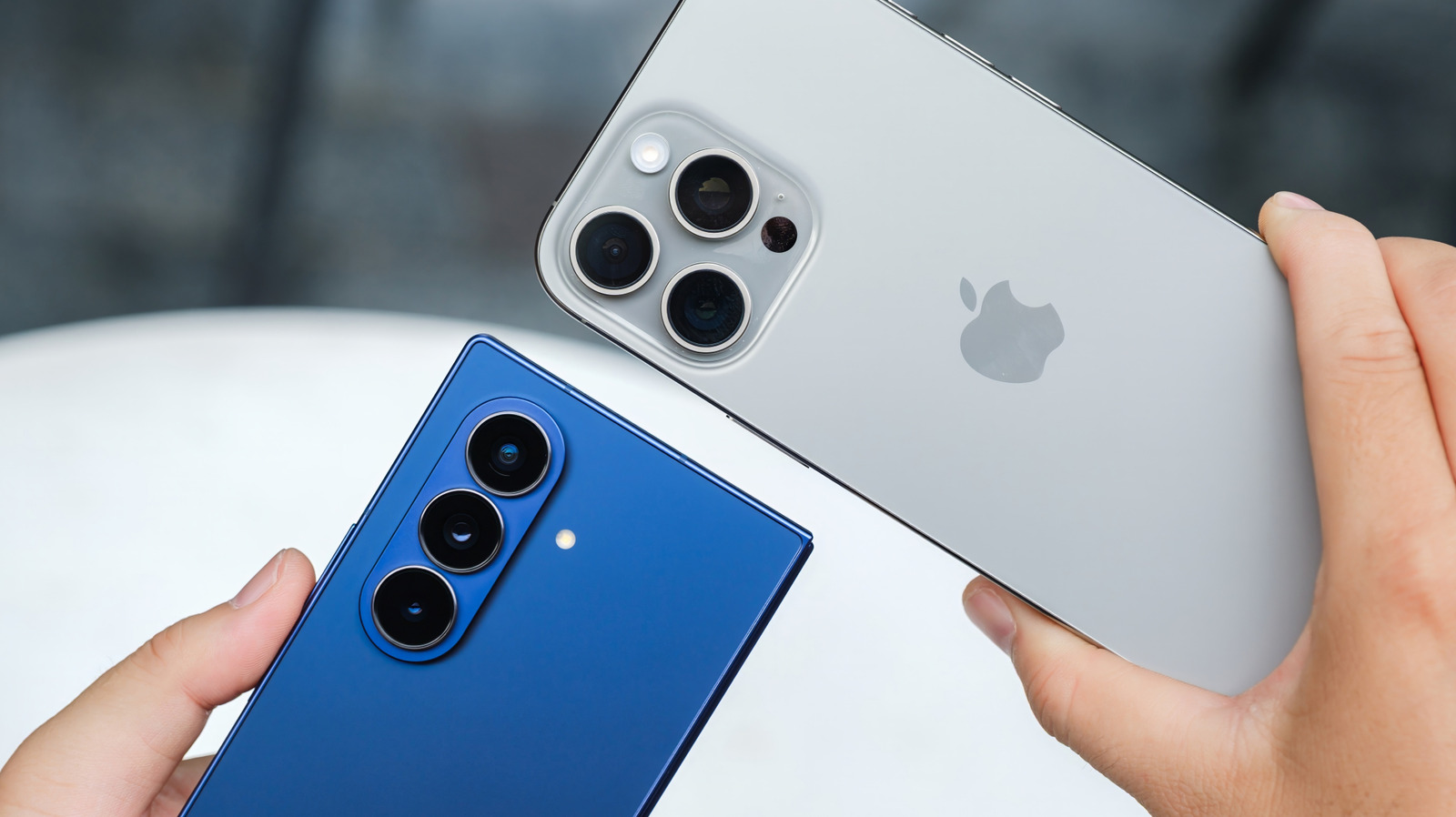
UPDATE: In a groundbreaking move, Google has just announced the rollout of AirDrop compatibility for Android devices, marking a significant shift in the tech landscape. This feature, which enables iPhone and Mac users to share files wirelessly with Android phones, was unveiled in late November 2025 and first became available on the Pixel 10 series.
This development is stirring excitement and surprise among tech enthusiasts and everyday users alike. Apple’s strict control over its ecosystem has long made cross-platform sharing challenging. Now, the introduction of AirDrop functionality for Android is seen as a bold challenge to Apple’s dominance in the wireless sharing arena. Google’s announcement included a pointed remark, stating, “Technology should bring people closer together, not create walls,” directly addressing Apple’s restrictive practices.
But how did Google manage to crack Apple’s AirDrop protocol? The answer lies in new European antitrust regulations that have altered the dynamics of tech compatibility. These regulations effectively forced Apple to allow third-party devices to connect with its systems, paving the way for this unprecedented collaboration. Google has utilized the Wi-Fi Direct protocol, which Apple had modified for its own use, known as AWDL (Apple Wireless Direct Link).
The implications of this move are immediate and far-reaching. Not only does it simplify file sharing between different devices, but it also breaks down barriers that have frustrated users for years. Both iOS and Android users have long faced the annoyance of incompatible file-sharing methods, making this compatibility a win-win for everyone involved.
Despite the excitement, concerns remain regarding the security of this new feature. Google’s engineers have reportedly taken significant steps to ensure safety, employing the Rust coding language, known for its robust security measures. This proactive approach aims to mitigate potential vulnerabilities that could arise from opening Wi-Fi connections between devices.
Furthermore, Google engaged NetSPI, an independent cybersecurity firm, to conduct thorough penetration testing following their internal assessments, ensuring that the new system is secure for users.
However, there are restrictions users should be aware of. For Android devices to share files with iPhones, users must adjust their AirDrop settings to “Allow Receiving From Everyone,” which could lead to privacy concerns in crowded spaces. While Apple’s feature automatically reverts to a more private setting after ten minutes, this could still pose risks for users.
Google has expressed its willingness to collaborate with Apple to introduce a “Contacts Only” mode in the future, but whether Apple will agree remains uncertain.
As this feature expands beyond the Pixel 10, users are encouraged to explore third-party alternatives for file sharing on Android in the meantime. The tech world is now watching closely to see how this development will unfold and whether it will lead to a more open and interconnected digital ecosystem.
Stay tuned for more updates as this story develops. Users are advised to keep their devices updated and to be cautious when sharing files in public settings to ensure their personal information remains secure.