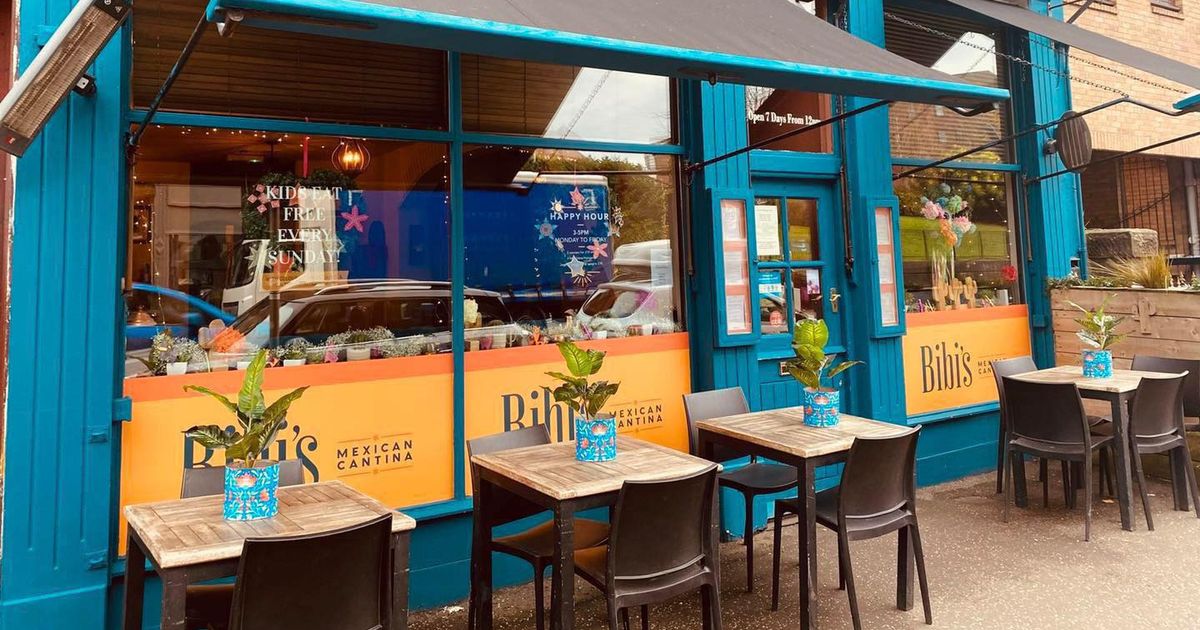
Glasgow’s vibrant bar and restaurant landscape is experiencing significant challenges in 2025, with numerous beloved venues shutting their doors. This year has seen a wave of closures affecting the city’s dining and nightlife scene, largely attributed to insufficient support from both the Scottish and UK Governments. The combination of new legislation, the aftermath of Brexit, and ongoing economic pressures has created a challenging environment for many establishments.
As the hospitality industry grapples with these issues, the impact of reduced office occupancy in the city center and escalating living costs has also been felt. With fewer patrons willing to spend on dining out, many bars and restaurants have found it increasingly difficult to sustain their operations. Despite the emergence of new venues, the losses of well-known establishments resonate deeply within the community.
Significant Losses in Glasgow’s Hospitality Sector
The closures of several high-profile bars and restaurants have cast a shadow over Glasgow’s renowned culinary scene. Among the notable losses is The Finnieston, a popular seafood restaurant that had garnered acclaim for its fresh offerings. Another casualty is Shilling Brewing Co., known for its craft beers and vibrant atmosphere. These establishments, along with others, have become symbols of a broader struggle within the industry.
According to recent reports, more than 30 venues have closed across Glasgow in the first half of 2025 alone. The Scottish Government’s lack of financial aid during this tumultuous period has been a point of contention among business owners. Many argue that the support measures implemented following the pandemic were inadequate to address the ongoing challenges posed by rising operational costs and staffing shortages.
Impact of Economic Pressures and Future Prospects
The economic landscape in the UK continues to shift, with inflation and wage constraints causing further strain on the hospitality sector. Owners are now confronted with the dual challenge of maintaining profitability while navigating the complexities of a post-Brexit market. The spike in costs for ingredients and supplies has forced some establishments to either raise prices or reduce their offerings, which can deter customers.
Despite these difficulties, the emergence of new bars and restaurants offers a glimmer of hope for Glasgow’s hospitality scene. Entrepreneurs are keen to tap into the city’s rich culinary heritage, and the ongoing innovation in food and drink concepts may help rejuvenate the sector in the long term. However, without substantial support from government bodies, the sustainability of many existing businesses remains uncertain.
As Glasgow continues to evolve, the resilience of its bar and restaurant community will be put to the test. The loss of cherished venues serves as a reminder of the fragility of the hospitality industry, especially in times of economic upheaval. Stakeholders are calling for a concerted effort to provide the necessary support to ensure the survival and growth of Glasgow’s vibrant hospitality scene.