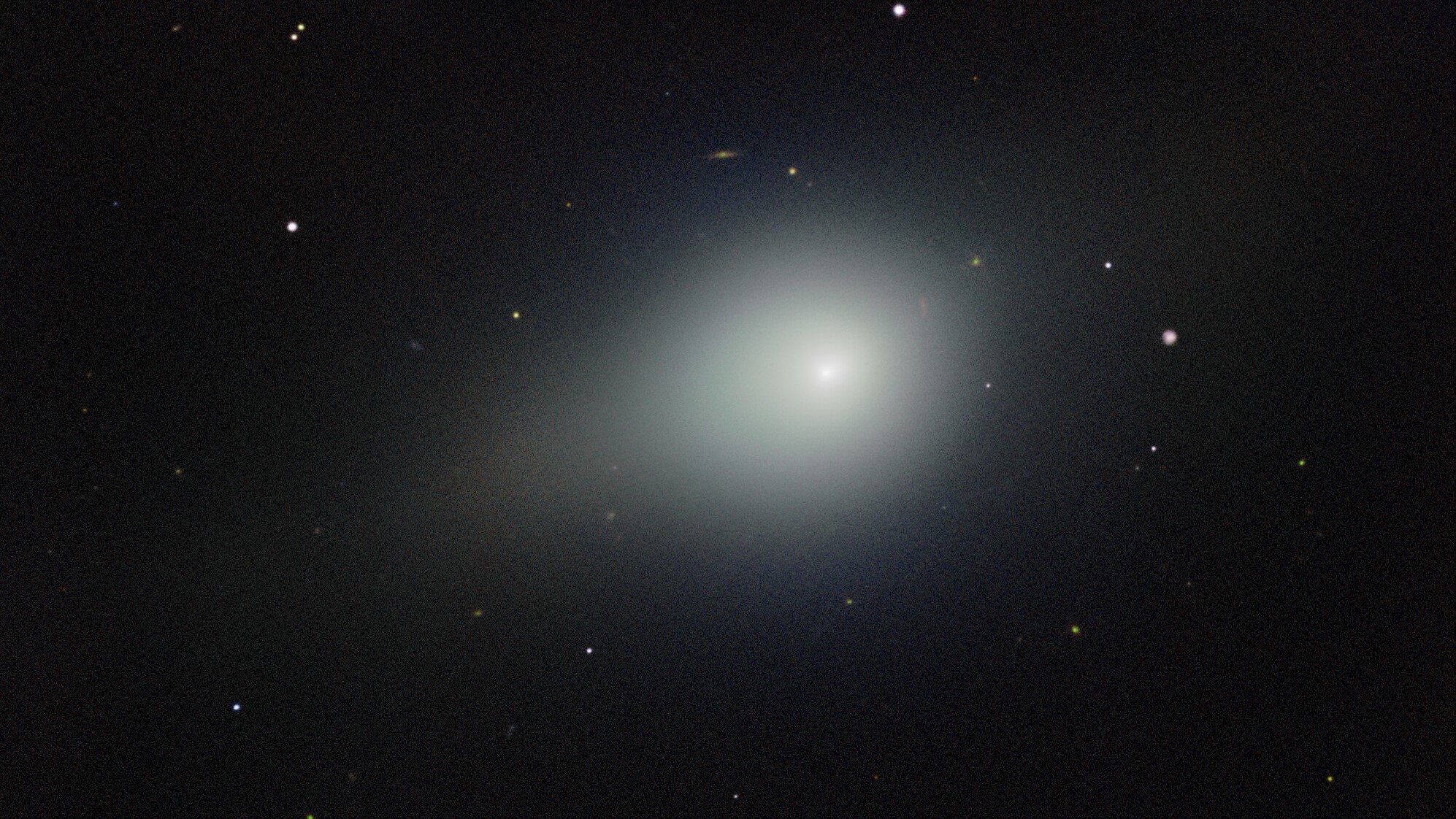
Astronomers at the Keck Observatory have made a significant discovery regarding the galaxy cluster designated RXC J0032.1+1808. Utilizing the advanced capabilities of the DEIMOS multi-object spectrograph, researchers observed the cluster undergoing a major merging event. This finding highlights the dynamic nature of galaxy formation and was detailed in a research paper published on December 16, 2023, on the pre-print server arXiv.
The study of galaxy clusters is crucial for understanding the evolution of the universe. Galaxy mergers contribute to the growth of larger structures and play a fundamental role in cosmic evolution. The observations from the Keck Observatory indicate that RXC J0032.1+1808 is in the midst of a significant transformation, merging with another galaxy cluster.
The researchers utilized spectroscopic data to analyze the velocities and compositions of the galaxies within the cluster. The findings suggest that this merger is not just a transient event but a transformative process that could reshape the cluster’s future. The results provide valuable insights into the mechanisms of cluster formation and the interactions between galaxies.
As the universe continues to expand and evolve, studies like this one shed light on the complex processes that govern cosmic structures. The data gathered from RXC J0032.1+1808 may help astronomers refine their models of galaxy formation and deepen their understanding of the universe’s history.
This discovery exemplifies the power of cutting-edge astronomical instruments and collaborative research. The Keck Observatory, located in Hawaii, is renowned for its contributions to modern astronomy, and findings such as these underscore its importance in advancing our understanding of the cosmos.
Future research will likely build upon these findings, with astronomers eager to explore the implications of galaxy mergers on larger scales. As the field of astronomy continues to evolve, the observations of RXC J0032.1+1808 will serve as a benchmark for future studies of galaxy clusters and their dynamic interactions.