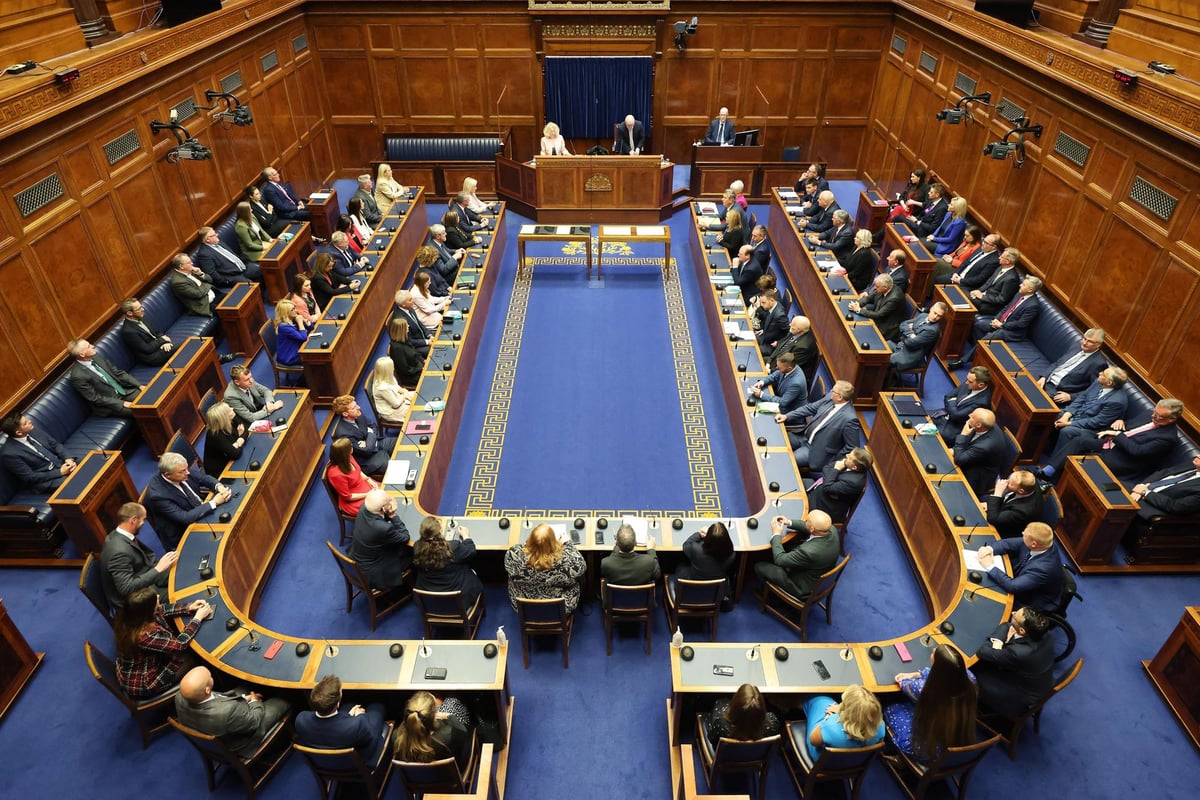
Recent financial disclosures have revealed that Stormont, the Northern Ireland Assembly, is grappling with significant overspending, amounting to approximately £1.5 billion. This situation has raised serious concerns about fiscal responsibility and governance within the region. According to Esmond Birnie, a prominent economist, the persistent budget overruns would typically be regarded as a “badge of shame” in standard political practices.
The ongoing financial difficulties at Stormont come as the Assembly has struggled to maintain a balanced budget amid rising costs and political instability. The Assembly’s inability to manage its financial resources effectively has prompted calls for greater accountability and transparency in its fiscal operations.
Historical Context and Current Implications
The situation echoes the sentiments of the 19th Century German statesman Bismarck, who famously compared law-making to sausage-making, suggesting that the processes involved are often messy and complicated. In Northern Ireland, the complexities of political negotiations and governance have contributed to a climate where overspending has become increasingly common.
As the Northern Ireland Assembly navigates these financial challenges, it faces mounting pressure from both the public and political leaders to address the issues head-on. Critics argue that the Assembly’s repeated financial missteps undermine public trust and hinder economic recovery in the region.
In light of these concerns, there are discussions about potential reforms to improve financial oversight and budget management at Stormont. Stakeholders are advocating for a thorough review of the Assembly’s financial practices to prevent future budgetary crises.
Looking Ahead: The Path to Fiscal Responsibility
Moving forward, the Northern Ireland Assembly must prioritize fiscal discipline to rebuild confidence among constituents. Addressing the budget deficit will require a comprehensive strategy that includes both expenditure cuts and revenue enhancement measures.
The implications of continued overspending extend beyond immediate financial health; they affect the overall economic landscape of Northern Ireland. With public services and infrastructure potentially at risk, the Assembly’s fiscal management will likely remain a focal point for both policymakers and the public in the months to come.
As Stormont grapples with these challenges, the calls for reform and accountability are expected to grow louder. The Assembly’s ability to respond effectively will be crucial in determining its future credibility and stability in Northern Ireland’s political landscape.