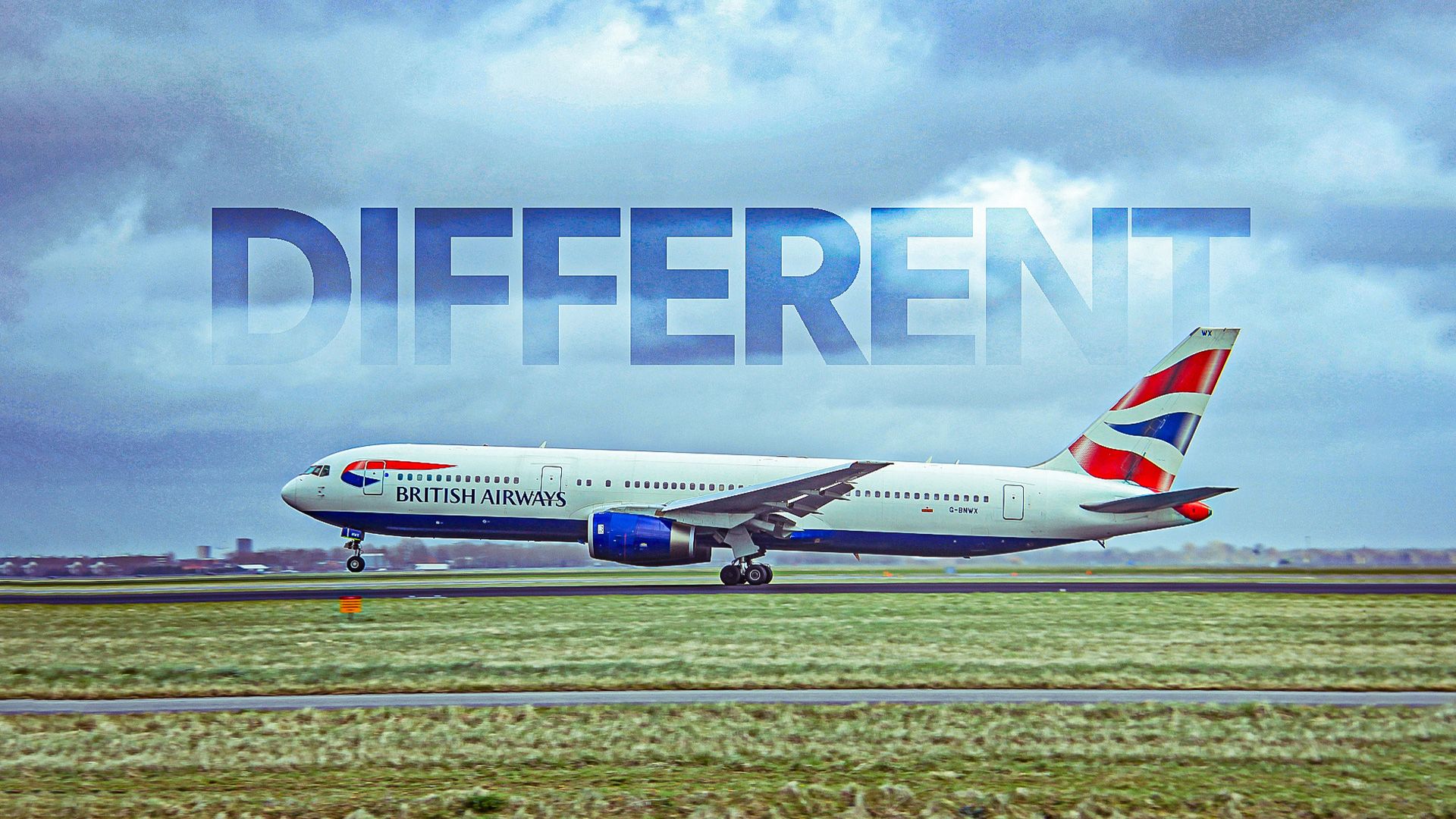
The Boeing 767-300ER fleet operated by British Airways has become a notable example within the aviation industry due to its distinct features and operational strategies. Unlike the majority of 767s utilized by other airlines, BA’s aircraft were marked by a unique engine choice, structural enhancements, and flexible deployment strategies, differentiating them significantly from their counterparts.
The Evolution of the Boeing 767
Since its introduction in the early 1980s, the Boeing 767 has been celebrated for its versatility, bridging the gap between smaller narrowbody jets and larger widebody aircraft. Developed in response to rising fuel prices, the 767 was designed to offer twin-engine efficiency with intercontinental range. The aircraft first took to the skies in 1981, with the 767-200 entering service in September 1982 through United Airlines. The 767-300ER, which became a cornerstone for many airlines, was launched in 1988.
BA added the 767-300ER to its fleet in 1990, using it to replace older aircraft on medium to long-haul routes. The airline ultimately operated 28 of these aircraft, positioning itself as one of the largest operators of the 767 in Europe. Initially, these aircraft were deployed on long-haul services, particularly across the Atlantic from London Heathrow to various North American destinations.
Distinctive Features of BA’s Boeing 767s
One of the most striking differences between BA’s 767-300ERs and those of other airlines was the engine choice. While many operators selected engines from General Electric or Pratt & Whitney, British Airways opted for the Rolls-Royce RB211 engines, which produced thrust levels of approximately 59,000–60,500 lb. This decision was rooted in BA’s existing fleet strategy, as the airline already operated a number of aircraft powered by Rolls-Royce engines, including the Boeing 747-400 and Boeing 757.
Choosing the RB211 allowed British Airways to simplify maintenance procedures by standardizing its engine types, ultimately leading to long-term operational efficiencies. Despite being the largest operator of RB211-powered 767s, British Airways was essentially the only major airline to adopt this configuration, making it an outlier in the global fleet.
The choice of the RB211 came with its own challenges. The engines were notably heavier than their General Electric and Pratt & Whitney counterparts, which necessitated structural reinforcements in the aircraft’s wings and pylons. This led to the incorporation of strengthened components unique to BA’s 767s and required rigorous inspection protocols to ensure operational safety, pushing the airframe closer to its structural limits than many other airlines experienced.
As the aviation landscape evolved, British Airways transitioned these 767s from long-haul to shorter European routes, allowing the aircraft to remain a valuable asset in the fleet. This adaptability not only extended the aircraft’s service life but also highlighted the inherent flexibility of the 767 design.
British Airways’ 767-300ERs were officially retired in 2018, concluding nearly three decades of service. They had served a wide array of missions, from transatlantic flights to busy European routes, showcasing the aircraft’s versatility and BA’s strategic foresight.
Today, British Airways’ unique 767-300ER fleet is remembered for its distinctive characteristics, which were the result of thoughtful engineering and operational planning. The combination of Rolls-Royce engines, specialized structural modifications, and versatile deployment strategies made BA’s 767s a standout example within the broader 767 family, leaving an indelible mark on the airline’s history and the global aviation community.