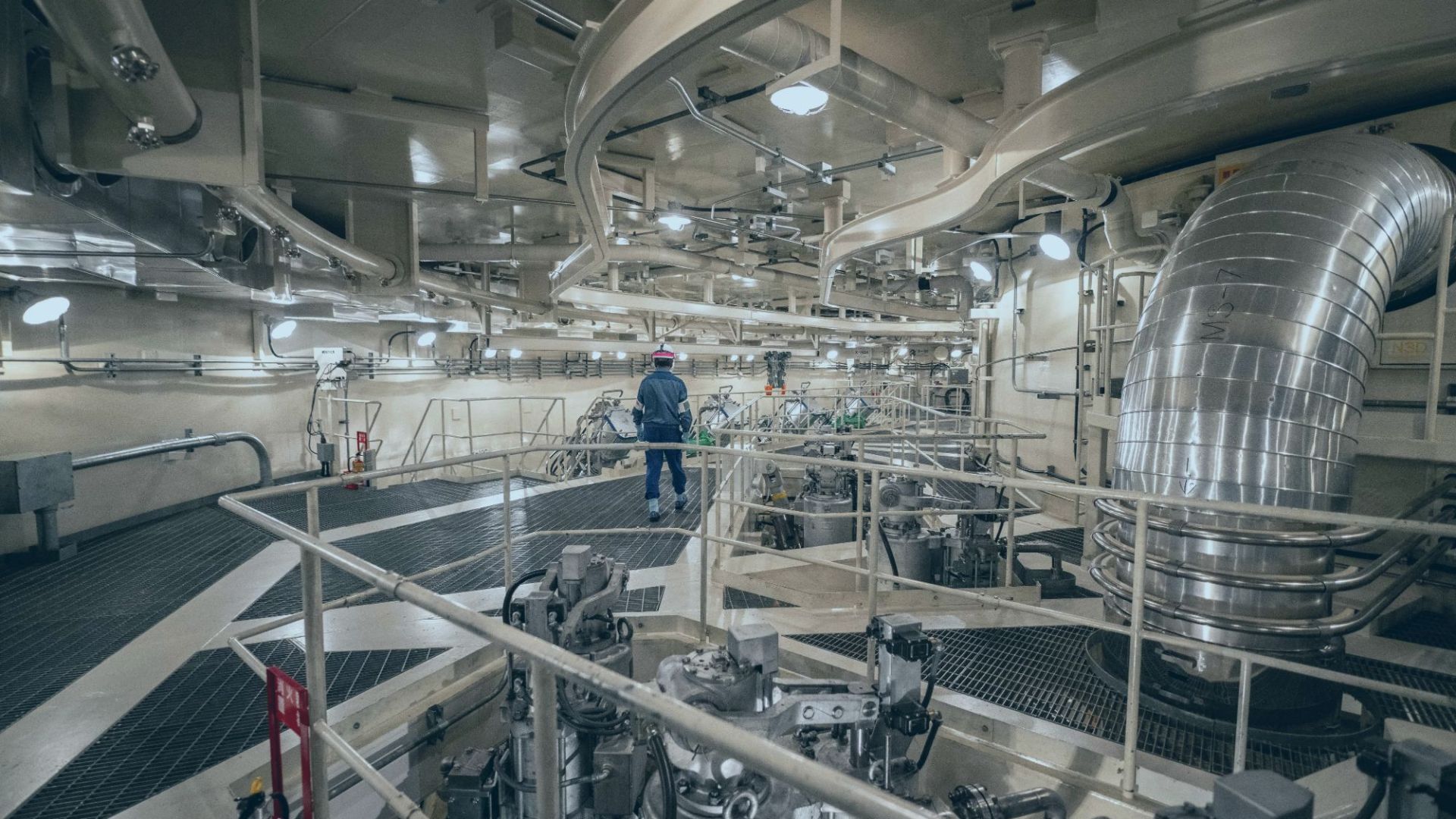
Japan has announced plans to restart the world’s largest nuclear power plant, the Kashiwazaki-Kariwa, nearly 15 years after the catastrophic Fukushima Daiichi meltdown. The decision, made despite significant public opposition, is set to see the plant reopen on January 20, 2024. This facility, located approximately 136 miles northwest of Tokyo, has been dormant for over a decade.
Following the devastating earthquake and tsunami in March 2011, which led to a nuclear disaster at Fukushima, Japan shut down all 54 of its nuclear reactors. As of now, 14 of the 33 remaining reactors have resumed operations, according to data from the World Nuclear Association. The Kashiwazaki-Kariwa plant, with its sprawling 1,000-acre site, is poised to play a crucial role in Japan’s energy landscape once again.
On December 22, 2023, Niigata lawmakers approved a plan that allows the Tokyo Electric Power Company (TEPCO) to restart one of the plant’s seven reactors. TEPCO, which managed the Fukushima Daiichi facility during the 2011 disaster, is focused on ensuring that a repeat of such an incident does not occur. TEPCO spokesperson Masakatsu Takata stated, “We remain firmly committed to never repeating such an accident and ensuring Niigata residents never experience anything similar.”
Despite reassurances, local sentiment remains divided. Around 300 protesters gathered on Monday to express their discontent, holding placards that read “No Nukes.” Among them was Kenichiro Ishiyama, a 77-year-old resident of Niigata city, who voiced her frustrations: “I am truly angry from the bottom of my heart. If something were to happen at the plant, we would be the ones to suffer the consequences.”
Another protester, Ayako Oga, aged 52, moved to Niigata after fleeing the fallout from the 2011 disaster. She remarked, “We know first-hand the risk of a nuclear accident and cannot dismiss it.” The reopening of the plant not only evokes memories of past trauma but also raises ongoing safety concerns among residents.
When operational, the Kashiwazaki-Kariwa facility can generate up to 8.2 gigawatts of energy, enough to supply power to millions of homes. The current plan involves bringing one 1.36 gigawatt reactor online next year, with a second reactor expected to restart by 2030. Niigata Governor Hanazumi expressed his desire for a future where the region does not rely on anxiety-inducing energy sources.
As Japan navigates its energy strategy in the aftermath of Fukushima, the reopening of the Kashiwazaki-Kariwa plant symbolizes both a potential step towards energy independence and a contentious reminder of the risks associated with nuclear power. The government faces the challenge of balancing energy needs with public safety and trust.