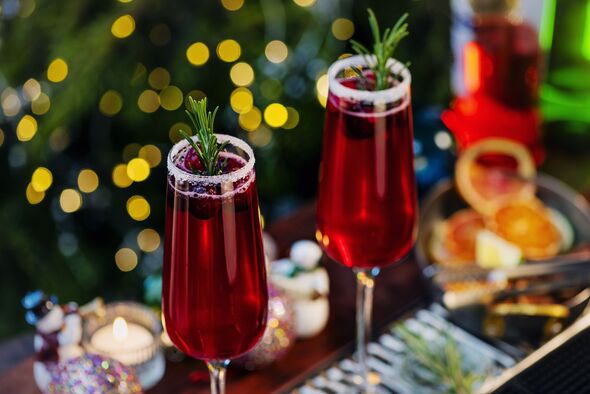
With the festive season approaching, indulgence in celebratory drinks like Prosecco and Champagne may come at a cost to dental health. Dentists are cautioning consumers about the potential risks associated with these popular beverages, particularly their effects on tooth enamel.
Dr. Nyree Whitley, a chief clinical officer at mydentist, highlighted that the acidity found in Prosecco can significantly damage enamel, leading to discolouration of teeth. “I’m afraid I have some bad news for Prosecco lovers,” she stated. “While an enjoyable festive tipple, the acidity in Prosecco can damage your enamel and could, in turn, lead to discolouration.”
To protect dental health during this festive period, Dr. Whitley advises moderating Prosecco consumption or using a straw to minimize contact with teeth. She also warns against brushing teeth immediately after consuming acidic drinks, as this can spread acid around the mouth and further harm enamel. It is recommended to wait at least 30 minutes before brushing to allow saliva to neutralize the acids.
The phrase “Prosecco teeth” gained traction on social media in previous years, underscoring the growing awareness of the issue. Dr. Vanessa Creaven from Spotlight Oral Care echoed these concerns in a recent TikTok video, stating, “Drinks like Prosecco and Champagne are notoriously fizzy but they’re also very acidic. This is the perfect combination to cause extreme and significant erosion to your teeth.”
Dr. Creaven emphasized that erosion manifests as thinning or translucent enamel, which can lead to long-term dental issues. To mitigate these effects, she suggests drinking sparkling beverages through a straw and chewing sugar-free gum, which stimulates saliva production and provides a natural buffer against acidity.
During the holiday season, it is crucial to monitor any changes in tooth sensitivity, as this could indicate gum disease. Dr. Whitley encourages individuals to schedule dental check-ups if they notice any unusual symptoms, particularly after indulging in festive treats.
For those with a penchant for sweets, Dr. Whitley recommends opting for alternatives that are less harmful to teeth. “If you have a sweet tooth, consider switching out sugary treats for options like dark chocolate,” she advised. Dark chocolate, while still satisfying sweet cravings, is lower in sugar and less likely to cause dental damage.
In addition to chocolate, traditional Christmas dinner items, such as Brussels sprouts, are beneficial for oral health. These vegetables are rich in calcium and vitamin C, both of which contribute to stronger teeth and overall oral hygiene.
To maintain good dental health throughout the holidays, balance is key. Dr. Whitley encourages individuals to be mindful of their diets and to choose foods that support their dental well-being, creating a festive atmosphere that is both enjoyable and health-conscious.