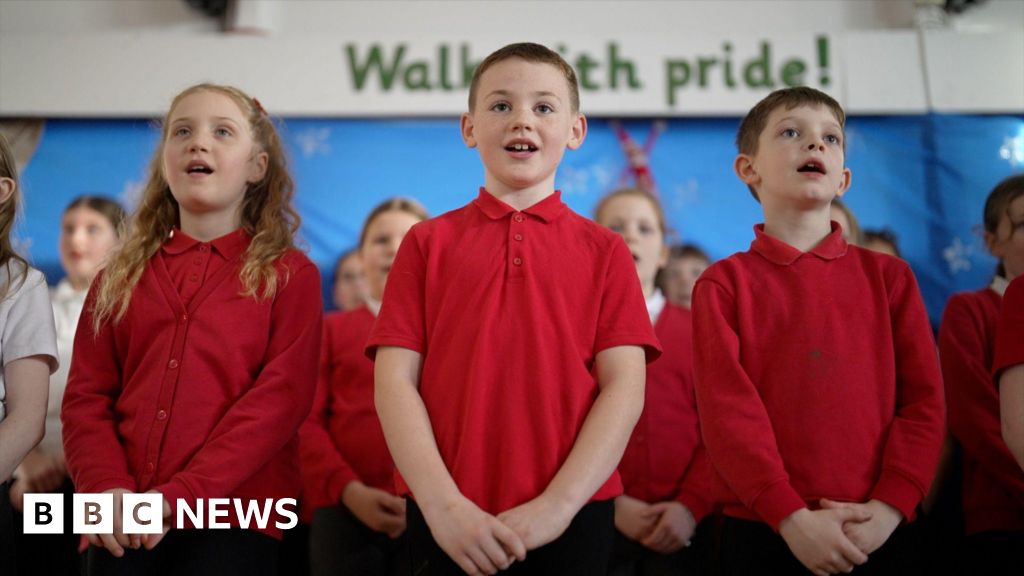
The landscape of music education in England is facing a significant shift as teachers advocate for a year-round commitment to singing in schools. Recent data indicates that while many children engage in singing during the Christmas season through nativity plays and carol concerts, this practice dwindles as they advance beyond primary school. Teachers are now calling for every school to establish a choir to sustain musical engagement and counter a decline in music’s popularity as a subject.
According to a survey conducted by Teacher Tapp, which polled nearly 10,000 educators across England, over half of state secondary school teachers—57%—reported that their students never sang together in assembly. In contrast, this figure dropped to just 13% among private secondary school teachers and only 4% for primary teachers. The survey also revealed that more than a third—36%—of teachers in state secondary schools indicated their institutions lacked a choir, compared to only 8% in private schools.
Jackie Bowen, head teacher at The East Manchester Academy, emphasizes the importance of music in education. She noted that secondary students often feel “embarrassed” about singing, contrasting with the enthusiasm typically seen in primary school settings. Bowen remarked on the intrinsic value of music for students’ development and mental health, stating, “We know what it does for academic achievements.” The academy has initiated various programs to promote music, including a weekly music hub featuring specialists from the Royal Northern College of Music.
Despite the decline, there has been a slight increase in students choosing to study GCSE music, which has seen a 25% drop over the past fifteen years. This decline is partially attributed to the introduction of the English Baccalaureate in 2010, which prioritizes core subjects like English and mathematics. In response, the government plans to revise the school curriculum to facilitate greater access to arts subjects, including music.
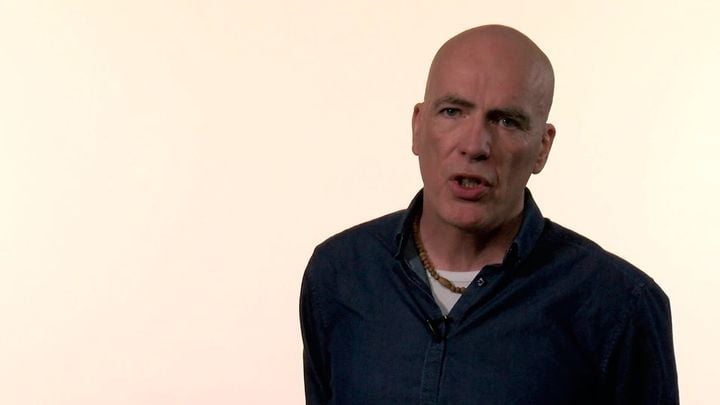
James Manwaring, president of the Music Teachers Association, believes that every school should have a choir. He commented, “All you need is a room and someone to lead it.” Manwaring acknowledged the recent improvements in music teacher recruitment but stressed that current levels still fall 35% short of the government’s targets for trainee music teachers.
A spokesperson for the Department for Education asserted the government’s commitment to ensuring that arts education is accessible to all students. They announced investments amounting to millions to support schools in acquiring musical instruments and resources, alongside initiatives to enhance the quality of music teaching through dedicated Music Hubs.
Year 11 student Mercy, a member of her school’s new gospel choir, expressed her desire for ongoing musical engagement. “In primary, they say you have to sing, but in secondary, it’s a choice,” she shared. “I feel like we should all release our voices to the world. Whether you’re good or not, just sing.”
As schools begin to embrace these recommendations, the hope is that music will regain its rightful place in the educational landscape, enriching the lives of students beyond the festive season.