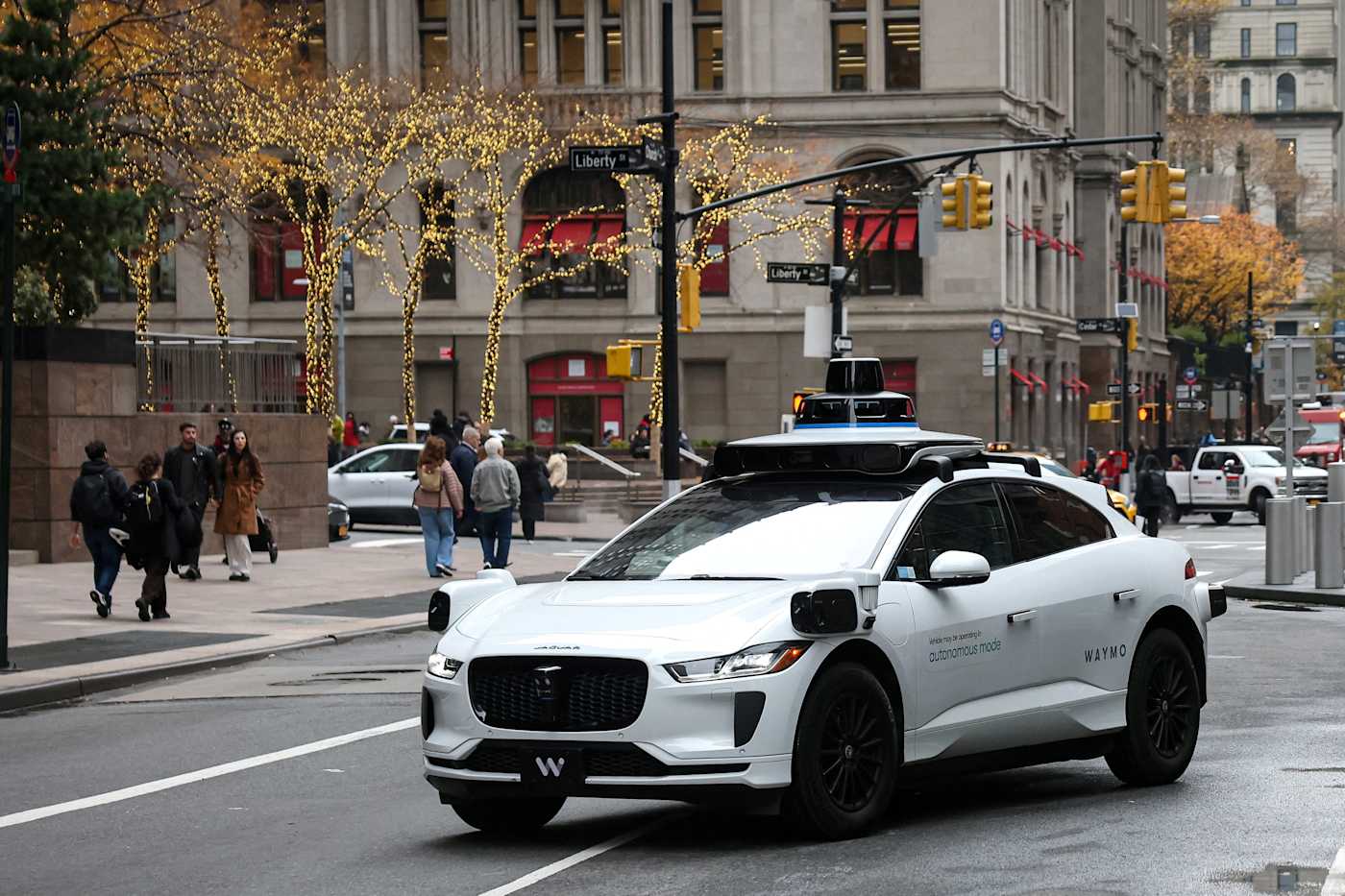
A significant power outage in San Francisco has left several of Waymo’s autonomous vehicles stranded at intersections, highlighting potential vulnerabilities in the self-driving technology. The incident occurred when a fire at a substation belonging to Pacific Gas and Electric (PG&E) disrupted power across the city, affecting approximately 130,000 customers on Saturday morning.
As a result of the outage, Waymo decided to suspend its ride-hailing services in the San Francisco Bay Area. Images and videos circulating on social media depicted the self-driving taxis halted at various intersections with their hazard lights activated. In an email to Engadget, Suzanne Philion, a spokesperson for Waymo, confirmed the service suspension, stating, “Our teams are working diligently and in close coordination with city officials, and we are hopeful to bring our services back online soon.”
The power restoration efforts by PG&E have been progressing, with the company reporting that by Sunday morning, power had been restored to around 110,000 customers. Crews continued to work on the remaining 21,000 customers, particularly in areas such as the Presidio, Richmond District, Golden Gate Park, and parts of downtown San Francisco.
While Waymo has not yet provided an explanation for why its autonomous vehicles became immobilized during the outage, this situation raises questions about the reliability of the Waymo Driver system. The company emphasizes on its website that its technology is designed to respond to traffic signs and signals, including traffic light colors. This indicates that the self-driving vehicles may have struggled to navigate the streets without functioning traffic lights.
In a related comment, Elon Musk, CEO of Tesla, took to X to note that “Tesla Robotaxis were unaffected by the SF power outage,” suggesting a contrast in how different autonomous systems respond to such challenges.
As the situation develops and power is fully restored, it remains to be seen how Waymo will address the implications of this incident for its autonomous vehicle operations in urban environments.