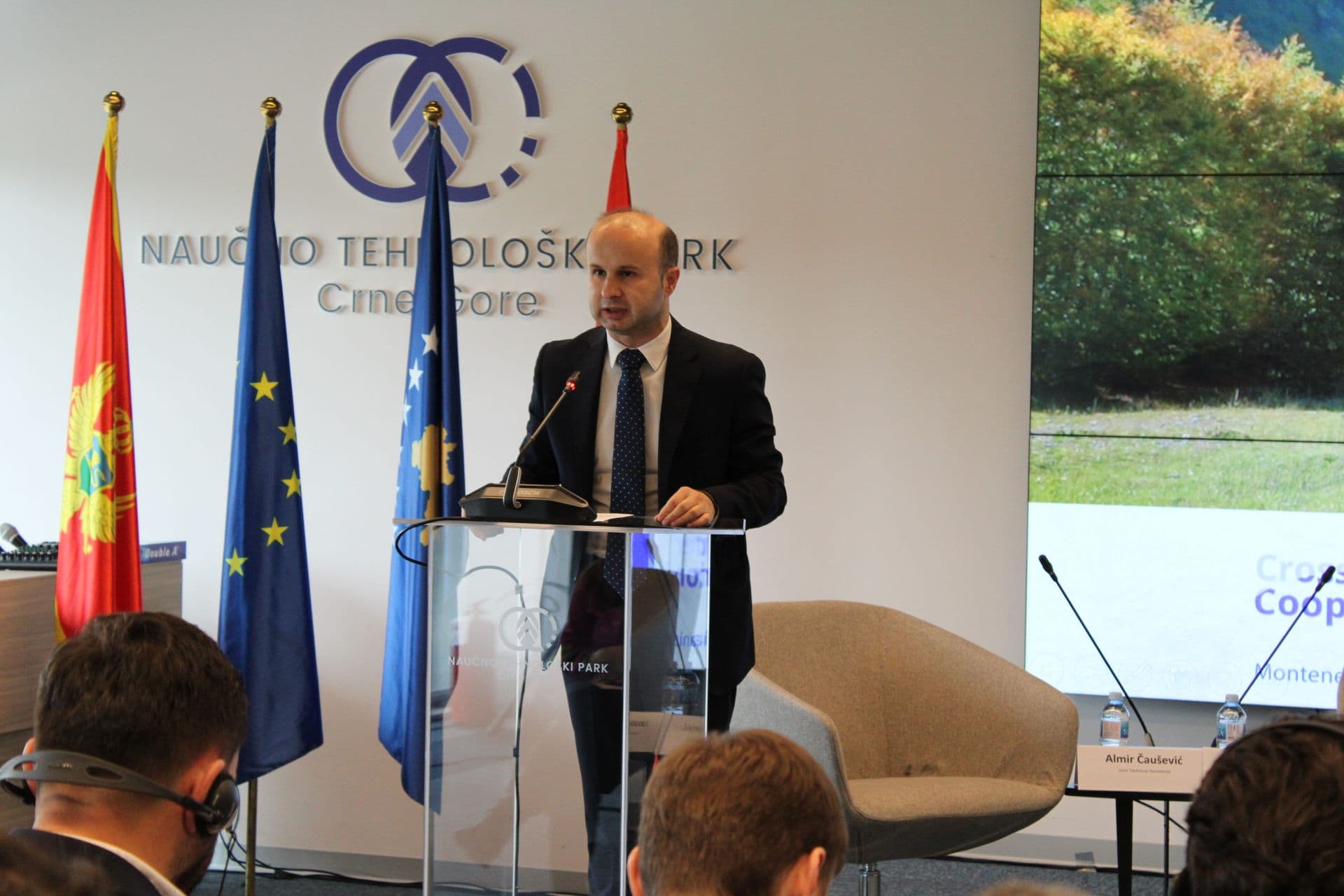
UPDATE: The Ministry of European Affairs of Montenegro (MEP) has just announced significant outcomes from the cross-border cooperation programs with Albania and Kosovo. At a crucial Capitalization Event held recently, representatives from Montenegro, Albania, and Kosovo gathered to exchange experiences and spotlight the tangible benefits achieved through collaborative projects.
During the event, held on October 12, 2023, in Podgorica, MEP’s General Director for European Territorial Cooperation, Miloš Marković, emphasized the foundational role of cross-border collaboration for long-term regional development. He stated, “Good neighborly relations and regional cooperation are essential for progress toward the European Union.”
With a staggering €25 million invested in 83 completed projects, the initiatives have united public institutions, local governments, educational entities, and numerous partners. Together, they have made significant strides in enhancing employment opportunities, particularly for vulnerable groups, advancing environmental protection, and promoting sustainable resource management.
Highlighting the importance of knowledge transfer, Rando Kote, Head of the Directorate for European Territorial Cooperation in Albania, noted that “Capitalization allows us to turn experience into knowledge, knowledge into policies, and policies into lasting impact.” This approach ensures that the results of these projects continue to benefit communities and future generations.
Jeton Çelja, Secretary of State at the Ministry of Local Self-Government in Kosovo, pointed out the vital contribution of local communities in project implementation. “The projects and best practices we showcase today demonstrate that when local governance is supported and empowered, it becomes a catalyst for economic, cultural, and social development,” he stated.
Moreover, Sanja Bečanović, Acting Director of the Directorate for Financing, Contracting, and Implementation of EU Funds in Montenegro’s Ministry of Finance, reminded participants of the direct benefits these cross-border projects bring to citizens. “The projects under these programs clearly show how cross-border cooperation can lead to tangible benefits for citizens—through job creation, strengthening local economies, and preserving cultural and natural heritage,” she said.
European Union Delegation representative Melanie Bride underscored the significance of EU values in fostering regional cooperation. “Cross-border collaboration promotes unity, supports developmental efforts, and contributes to reducing territorial inequalities, all grounded in shared European values—trust, cooperation, and mutual respect,” she emphasized.
Panel discussions on employment and opportunities revealed that EU-funded cross-border initiatives in Montenegro, Albania, and Kosovo have delivered concrete results by empowering youth, women, and people with disabilities through practical skills training, mentorship, and entrepreneurial support. The strong involvement of employers and institutional partnerships is deemed crucial for sustainable employment and self-employment.
The tourism and cultural heritage panel highlighted that successful cross-border tourism relies on authentic local values, strong partnerships, and active community involvement while balancing development and the protection of natural and cultural heritage. Participants agreed that education, digital tools, ecological standards, and branding of local gastronomy and rural experiences significantly enhance destination competitiveness.
The session on environmental protection showcased visible results from ecological projects and cross-border cooperation in improving the quality of life for local communities. Participants concurred that a collaborative approach, community involvement, and knowledge exchange remain key to effectively addressing shared environmental challenges.
Finally, Nada Pejović, Head of the Directorate for Bilateral Cross-Border Programs at MEP, presented both programs, particularly focusing on opportunities within the IPA III financial perspective. She underscored the importance of cross-border cooperation and the potential benefits for institutions and local communities.
This event served as a vital platform for exchanging experiences, inspiring new projects and partnerships, and further strengthening regional cooperation and the European integration of Montenegro, Albania, and Kosovo. As these programs continue to evolve, the impact on local communities remains a priority, and stakeholders are eager to see further developments in the coming months.