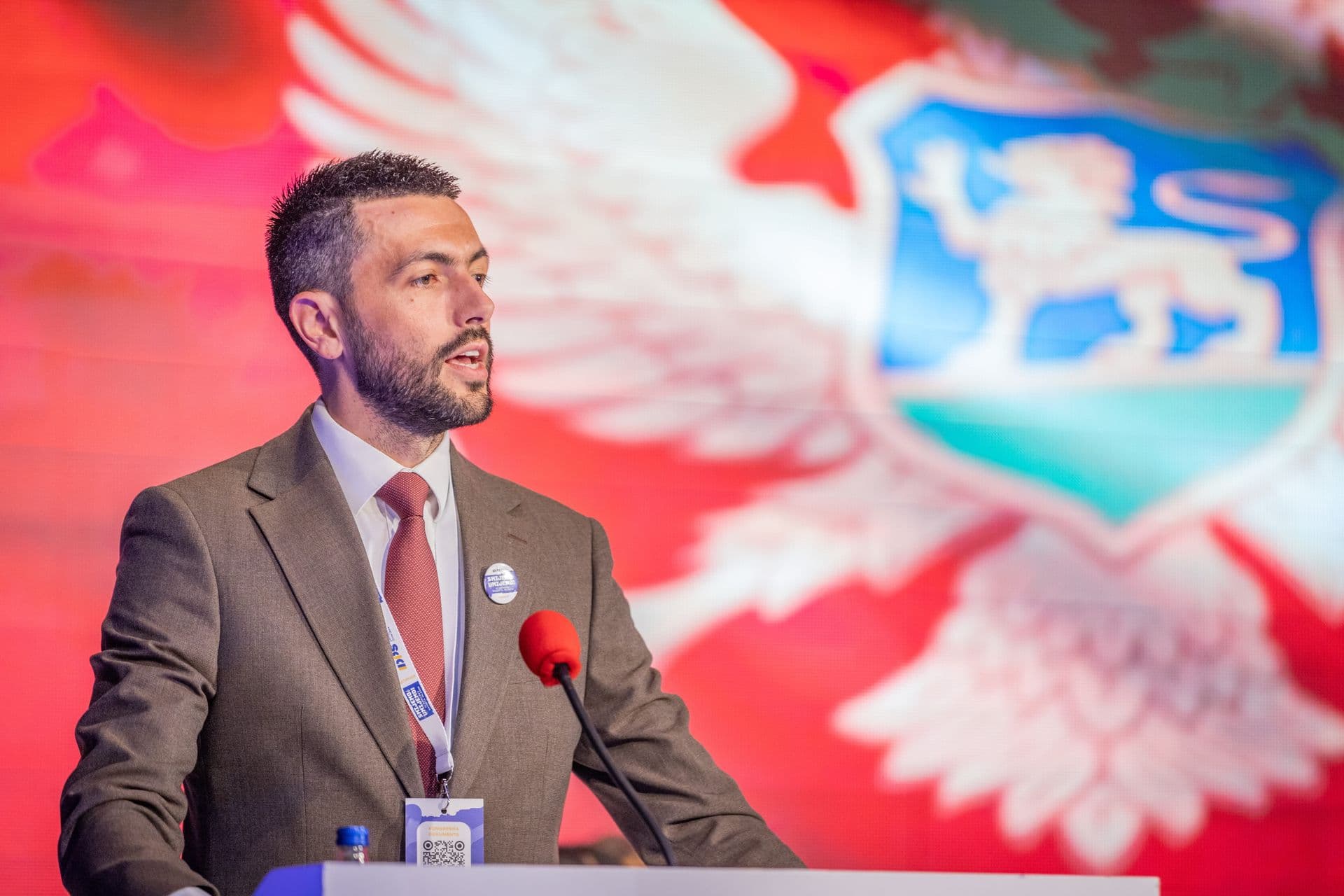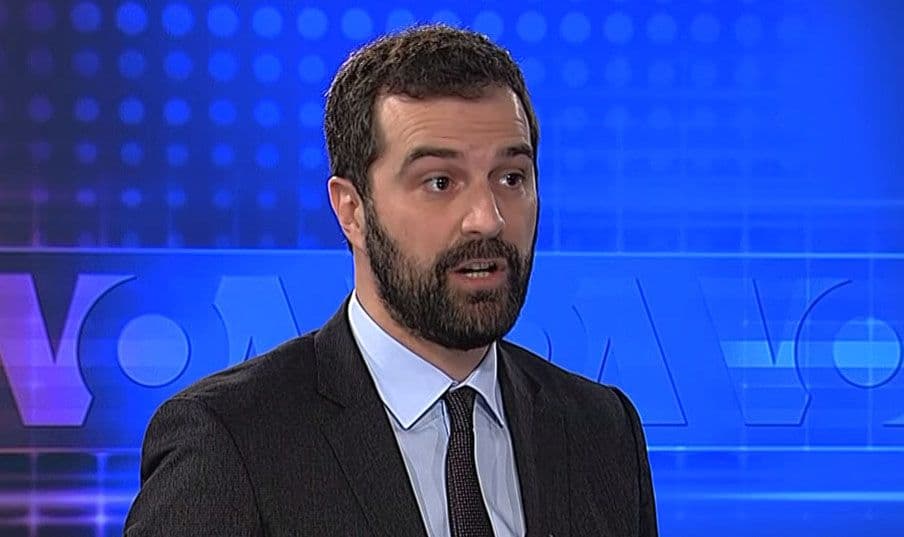
In a recent interview, Professor Sinisa Vuković from Johns Hopkins University addressed the shifting dynamics in U.S.-European relations, emphasizing that the United States has explicitly dismissed the idea of redrawing borders in the Balkans. Vuković highlighted that the roots of the current tensions stem from a fundamental change in America’s perception of Europe, which is no longer seen as an ideological ally but rather as a region grappling with a deep identity crisis.
The professor noted that previous tensions between Washington and Brussels primarily revolved around military spending and trade tariffs. Today, the divide is more ideological, with the implications of this split being far-reaching. Vuković articulated that the U.S. redefinition of the concept of “the West” and its role within it has contributed significantly to the current discord.
While Europe views its alliances through the lens of shared liberal democratic values, the new U.S. strategy reflects a nativistic vision. This perspective prioritizes allies’ willingness to abandon liberal ideologies in favor of traditional national identities. Vuković argues that this ideological rift signals that America and Europe are now at odds not merely over tactics or finances, but over the fundamental question of what it means to be part of Western civilization.
Impact on NATO and European Security
The implications of U.S.-European relations raise questions about the future of NATO. Vuković expressed concern that the new strategy hints at a potential dilution of American security guarantees to NATO allies. The strategy’s explicit call to halt NATO expansion undermines decades of open-door policy that has been foundational to transatlantic security.
This shift could send a signal to Moscow that its demands for limiting Western expansion are being acknowledged, which might please Russian authorities. Vuković explained that by freezing further expansion, NATO risks transitioning from being a stabilizing force for democracy to a closed club with an uncertain future.
The professor also discussed the changing focus of U.S. military priorities. The Western Hemisphere is now defined as the dominant geographical focus, contrasting with Europe and Asia, thereby indicating a shift towards an isolationist approach reminiscent of the “Fortress America” concept. This realignment may lead to a reduction of U.S. military presence in Europe, compelling the continent to confront its own security challenges independently.
Consequences for Ukraine and the Region
According to Vuković, this evolving situation presents Ukraine with the stark possibility of losing its ambition for NATO membership. The new strategy undermines President Volodymyr Zelensky’s “Victory Plan,” suggesting that the U.S. may be willing to entertain Russian security demands to quell tensions in the region. The emphasis on economic prosperity and stability over justice and international law could position Ukraine as a bargaining chip in negotiations between major powers.
Vuković pointed out that Ukraine is currently engaged on two fronts: the battlefield against Russian aggression and the geopolitical uncertainties exacerbated by U.S. policy shifts. The new American strategy suggests a move from unconditional support to pressures for a swift peace agreement, which could compromise Ukraine’s territorial integrity and long-term security guarantees.
He also noted that the U.S. public has shown limited engagement regarding the first draft of a peace plan for Ukraine, which has been criticized for aligning more closely with Russian interests than those of the U.S. The lack of a coherent U.S. strategy has led to mixed messages, further complicating Ukraine’s position in this geopolitical landscape.
Vuković argued that Ukraine must adapt its narrative and communication strategies to resonate with the current U.S. administration. Emphasizing short-term victories and leadership associated with the Trump Administration may be necessary for Ukraine to secure ongoing support.
In summary, the current trajectory of U.S. policy signals a profound transformation in how America engages with Europe and its allies. As the geopolitical landscape shifts, the need for clarity and a resolute stance on issues of international importance, particularly regarding Ukraine and the Balkans, becomes critical.